 By
By You need more beans (lentils, chickpeas, split peas, edamame) in your diet.
There are more than 500 videos and articles here that discuss the health benefits of beans.
How do you make mouthwatering beans? The answer is… in a pressure cooker!
I specifically bought an Instant Pot to make beans, and it did not disappoint. The pressure seems to make the seasoning penetrate the beans and turn them into little flavor bombs.

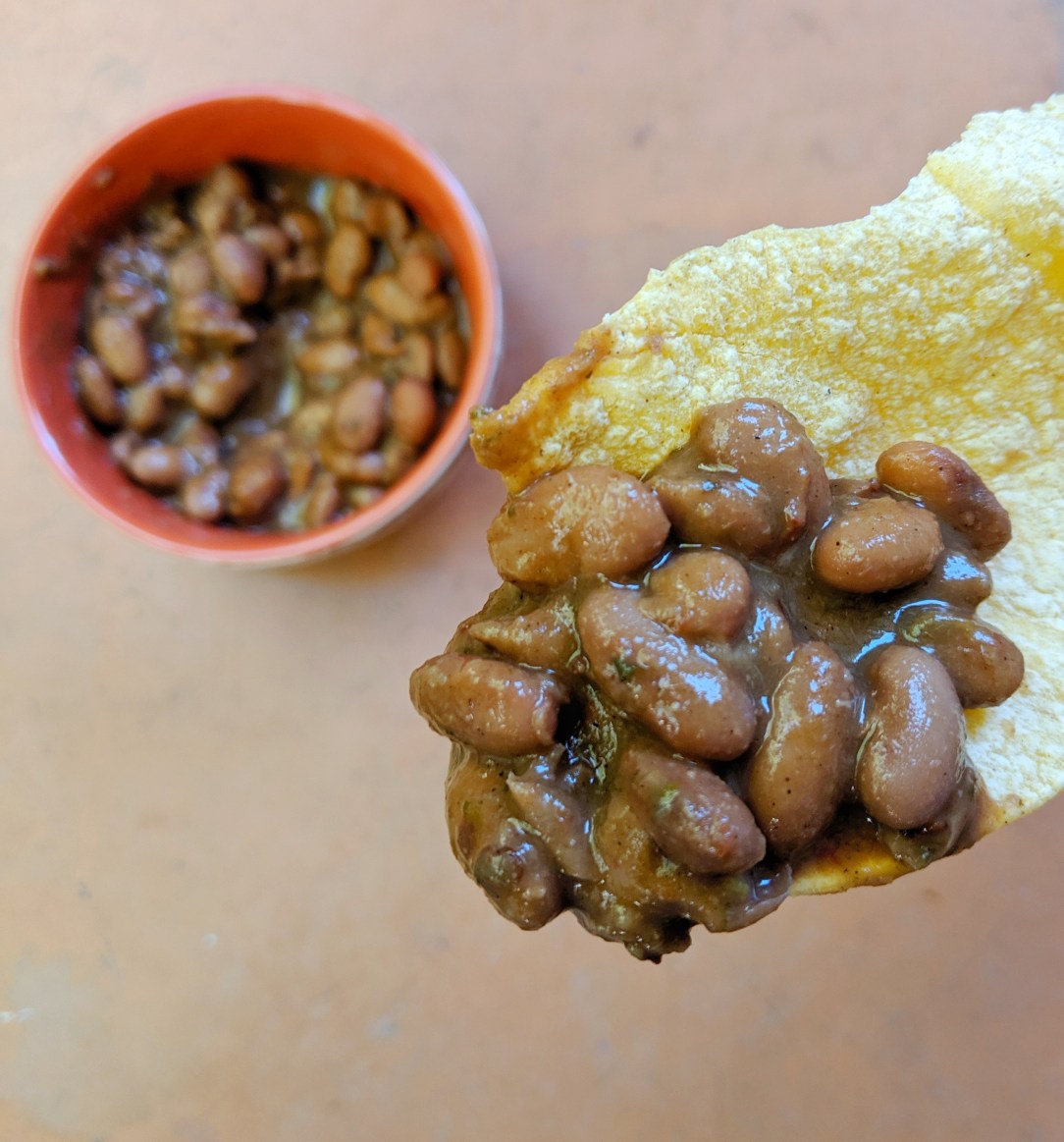
This recipe uses pinto beans which have a mild flavor and creamy texture, an easy bean to fall in love with.
Ingredients:
- 2 cups of dried pinto beans (approx. 1 pound), washed and soaked
- 1 medium yellow or red onion, chopped
- 2 Chipotle peppers in Adobo sauce, chopped – I pick out 2 medium sized peppers which makes them perfectly spicy. Use less or more according to your preference. You can also add a little of the adobo sauce from the can to your beans before cooking for extra spice. I store leftover peppers (with the sauce) in a jar in the fridge, but if you don’t expect to use them in a few weeks, try freezing them!
- 1/3 of a bunch of fresh cilantro, chopped – The cilantro disintegrates into the sauce as it cooks. Cooking the cilantro down removes that pungent flavor that many people associate with it, so even if you don’t love cilantro, you should try it in this recipe. If you’re really opposed to cilantro or you can’t find it, you can substitute fresh Italian parsley. I’ve even used dried parsley in a pinch (about 1 tablespoon).
- 1 Tbsp of ground cumin
- low-sodium vegetable broth – enough to just cover the beans
- 1 tsp of salt
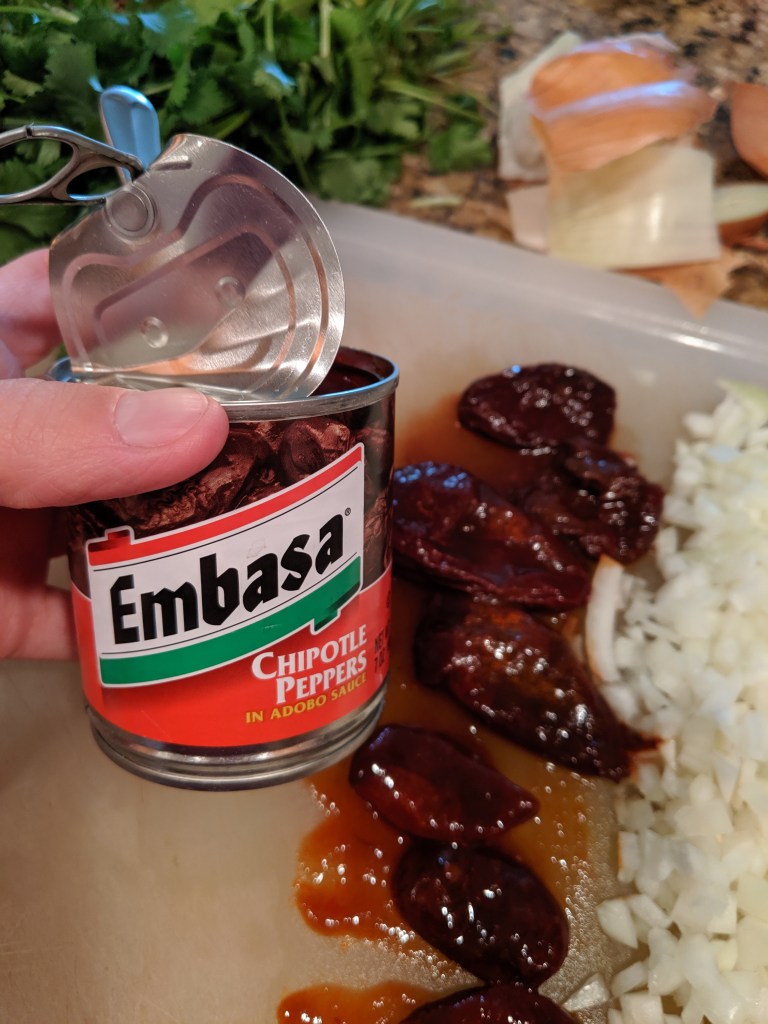
Chipotle Peppers in Adobo Sauce 
Better Than Bouillon Seasoned Vegetable Base
Better Than Bouillon Vegetable Base makes the most delicious broth. Just mix a teaspoon of base with a cup of hot water anytime a recipe calls for vegetable broth.
Directions:
Wash and soak the dried pinto beans in LOTS of water for 8+ hours. I do this right in the Instant Pot. Your beans should look like pebbles in the bottom of a lake. It gives the beans plenty of room to swell up. They are going to double in size as they take in water, so add a lot more water than you think you need. After 8 hours, pour off the soaking liquid and rinse the beans in a colander. I often put the beans to soak before bed, and I cook them the next morning or afternoon. You can also soak them in the morning and cook them in the evening.
Soaking the beans makes them easier to digest and less gas-producing. You can pressure cook them without soaking them, but you will need MUCH MORE LIQUID and a longer cooking time.
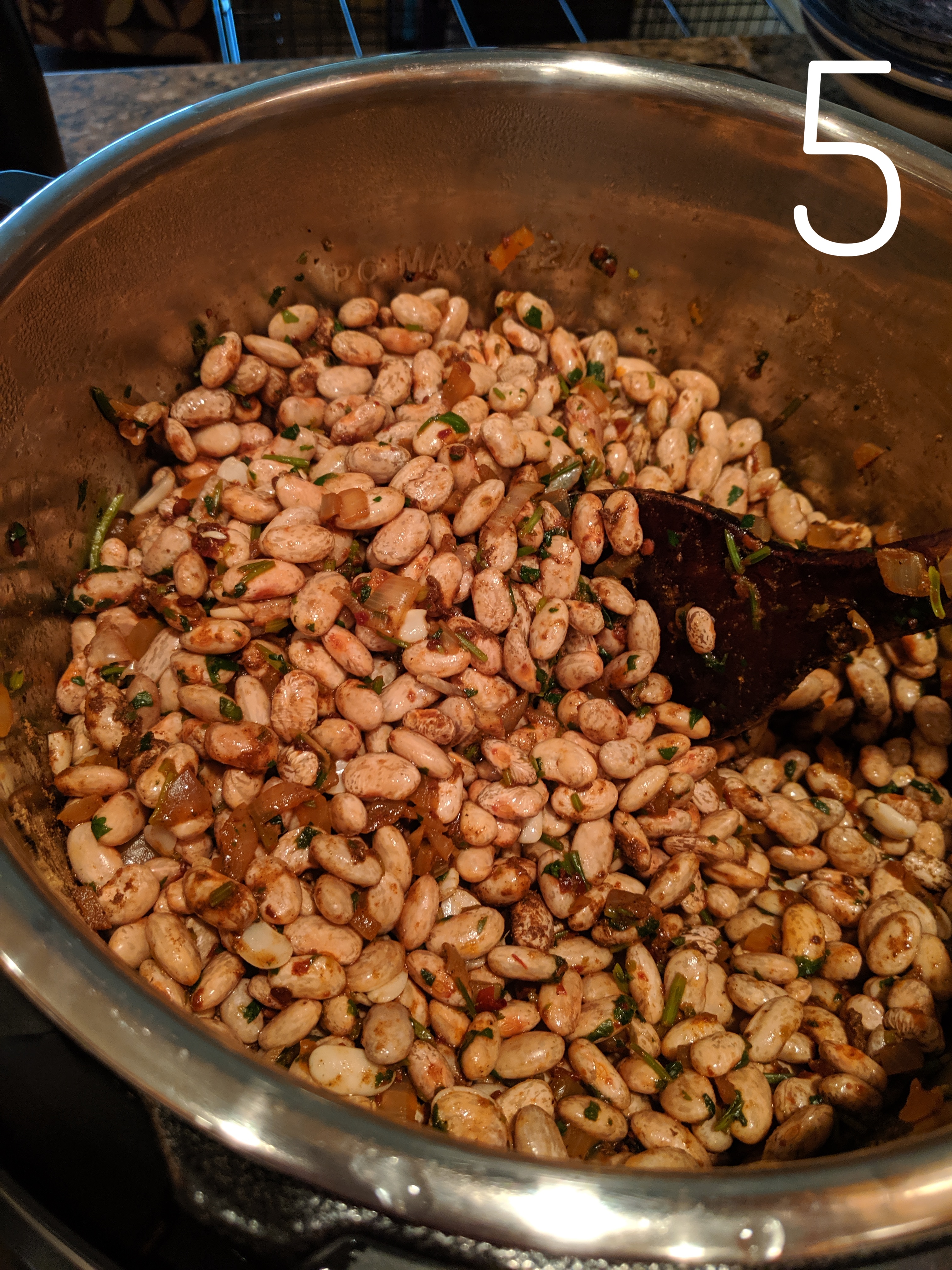
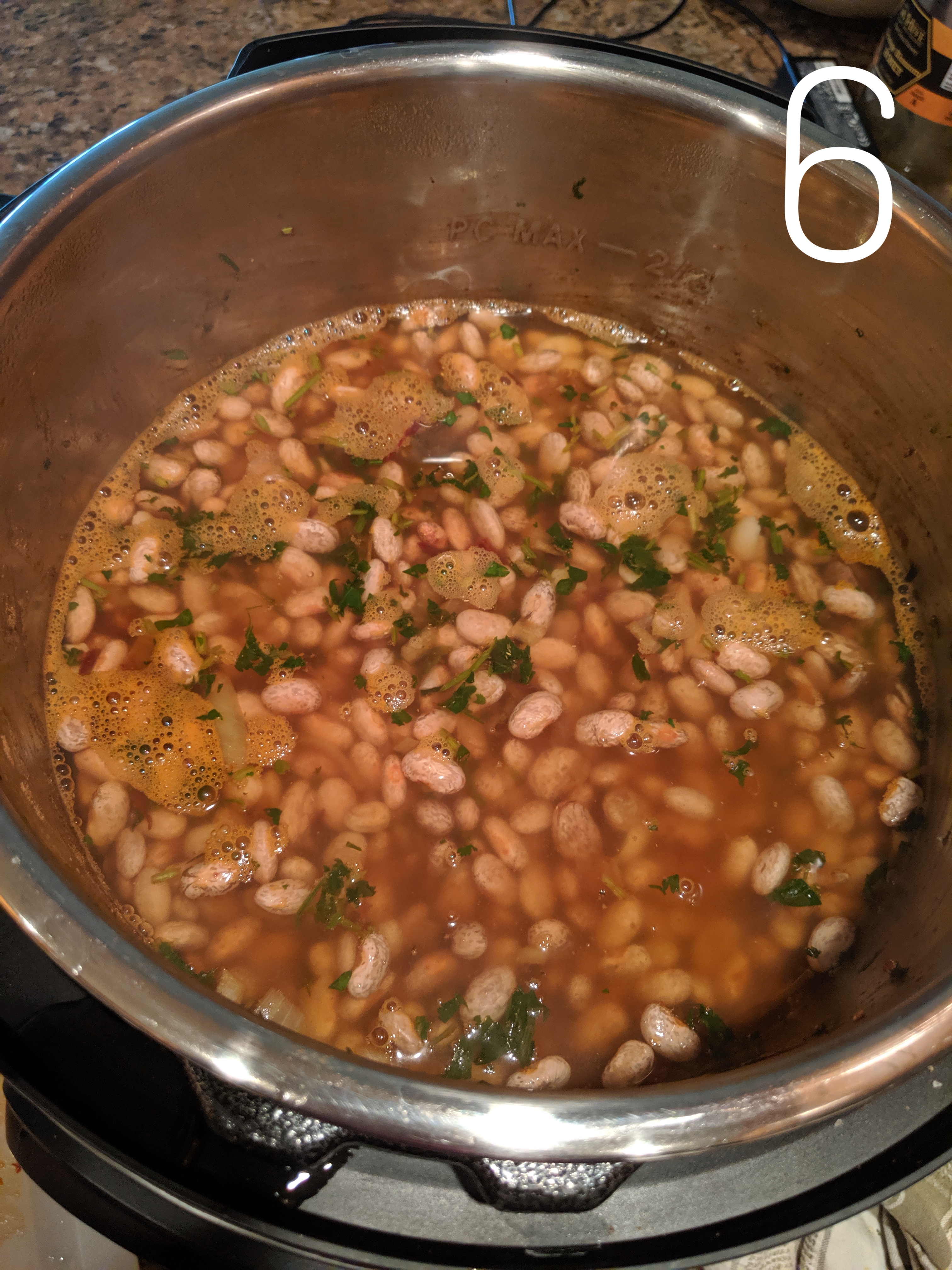
Using the sauté function on your Instant Pot, sauté the onion in the bottom of the pot until it turns translucent and starts to brown. Deglaze the pot with a little water or broth when the onion starts to stick and use a spoon to loosen up the brown bits. Add the chopped and saucy chipotle peppers and the chopped cilantro. If you like, add some extra Adobo sauce from the can of peppers. Mix that up and let it cook for a minute. Add the ground cumin and the soaked beans. Stir the beans to coat them in seasoning. Press cancel.
Add vegetable broth until it JUST covers the beans.
Put the lid on and make sure the vent is sealed. Set it to pressure cook 9 minutes.
Note that it takes time for the pressure to build inside the pot. It might take 20-30 minutes depending on how many beans you have in there. But the Instant Pot looks after all this for you. It will come to pressure, cook for the length of time you set it for, and then mine switches to a ‘keep warm’ setting by default. You can let it start counting up at that point, or you can turn the machine off by pressing cancel. Either way, you need to patiently wait for the pressure to come down and the seal to release on it’s own.
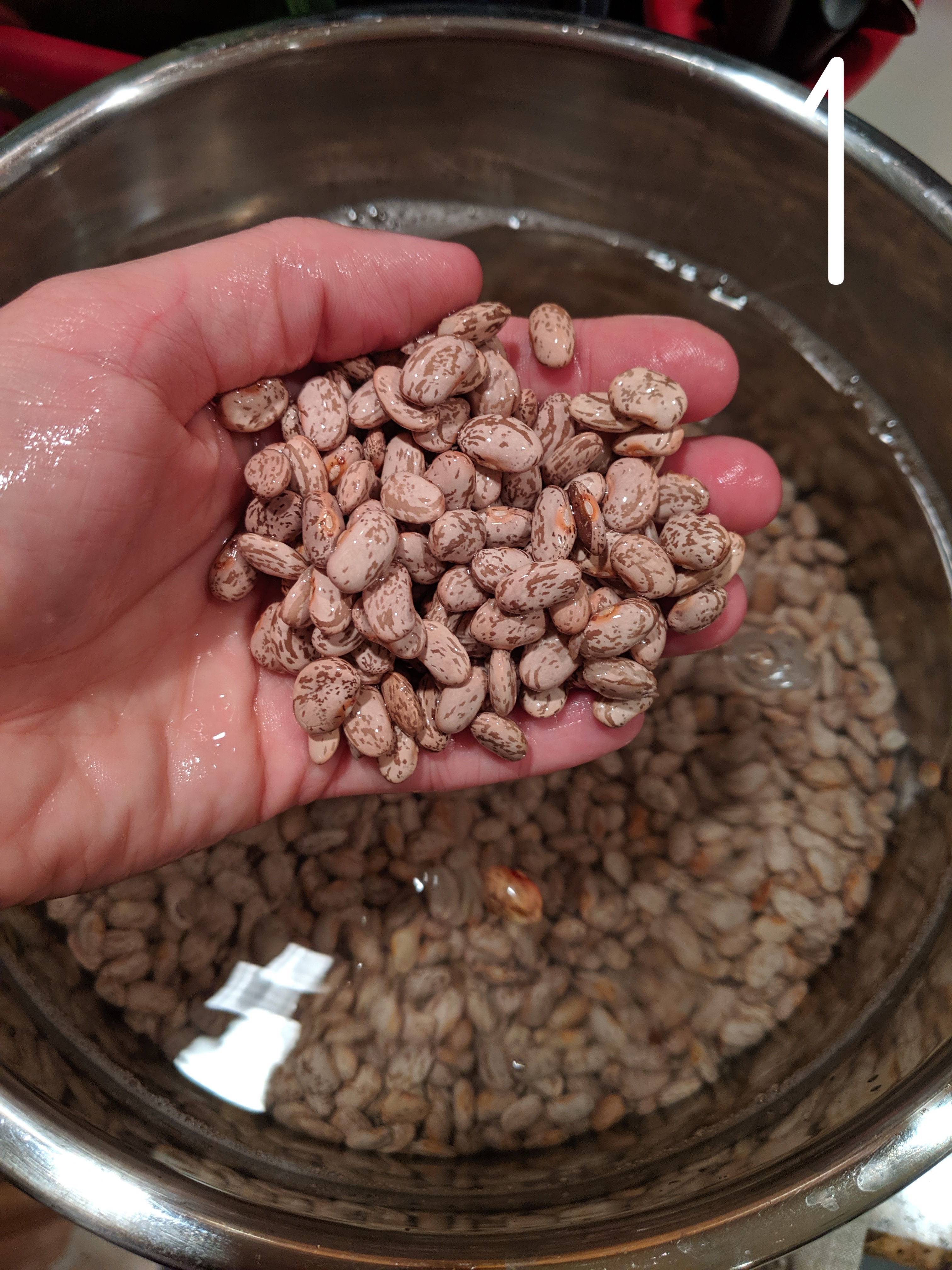
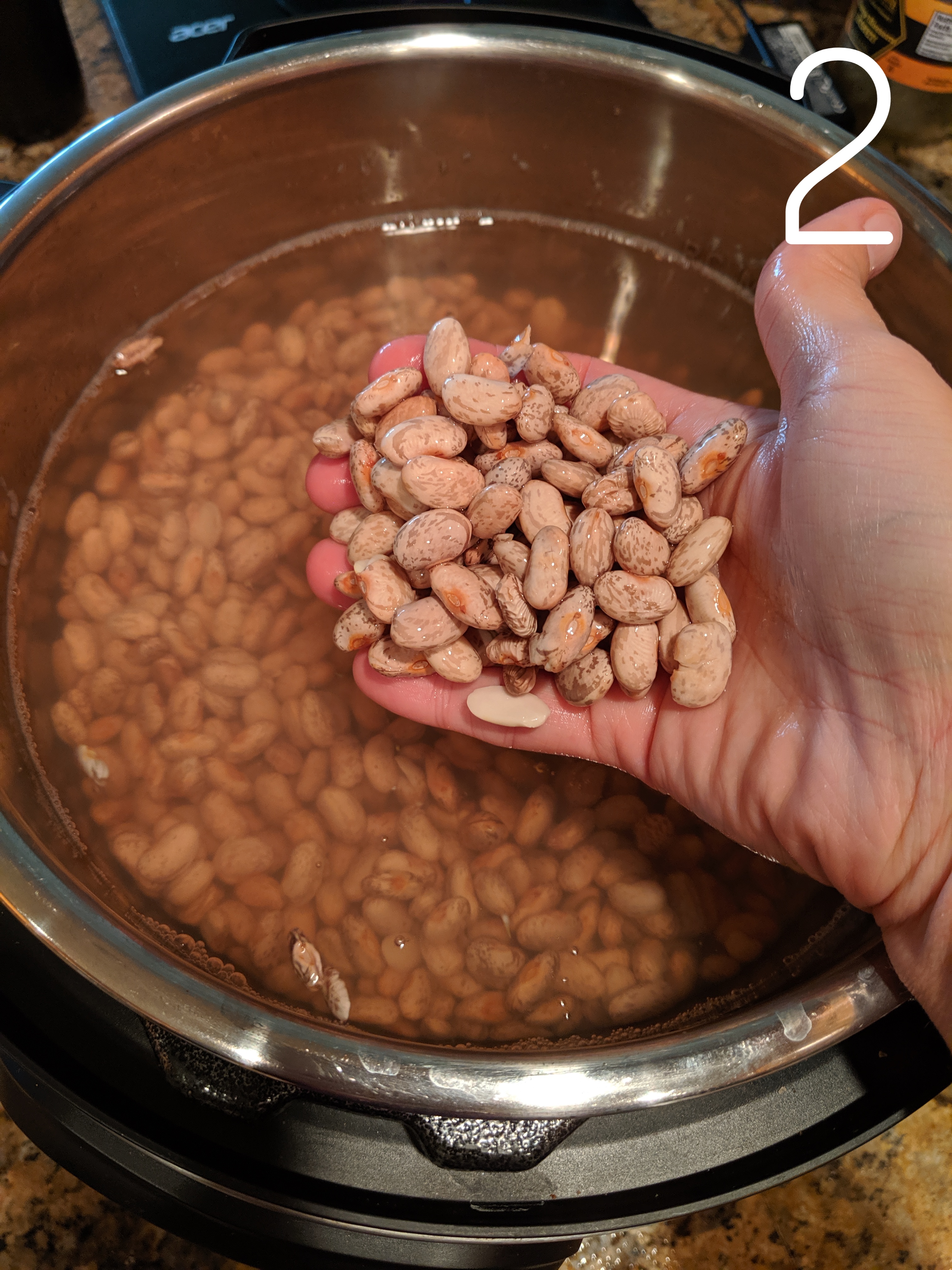
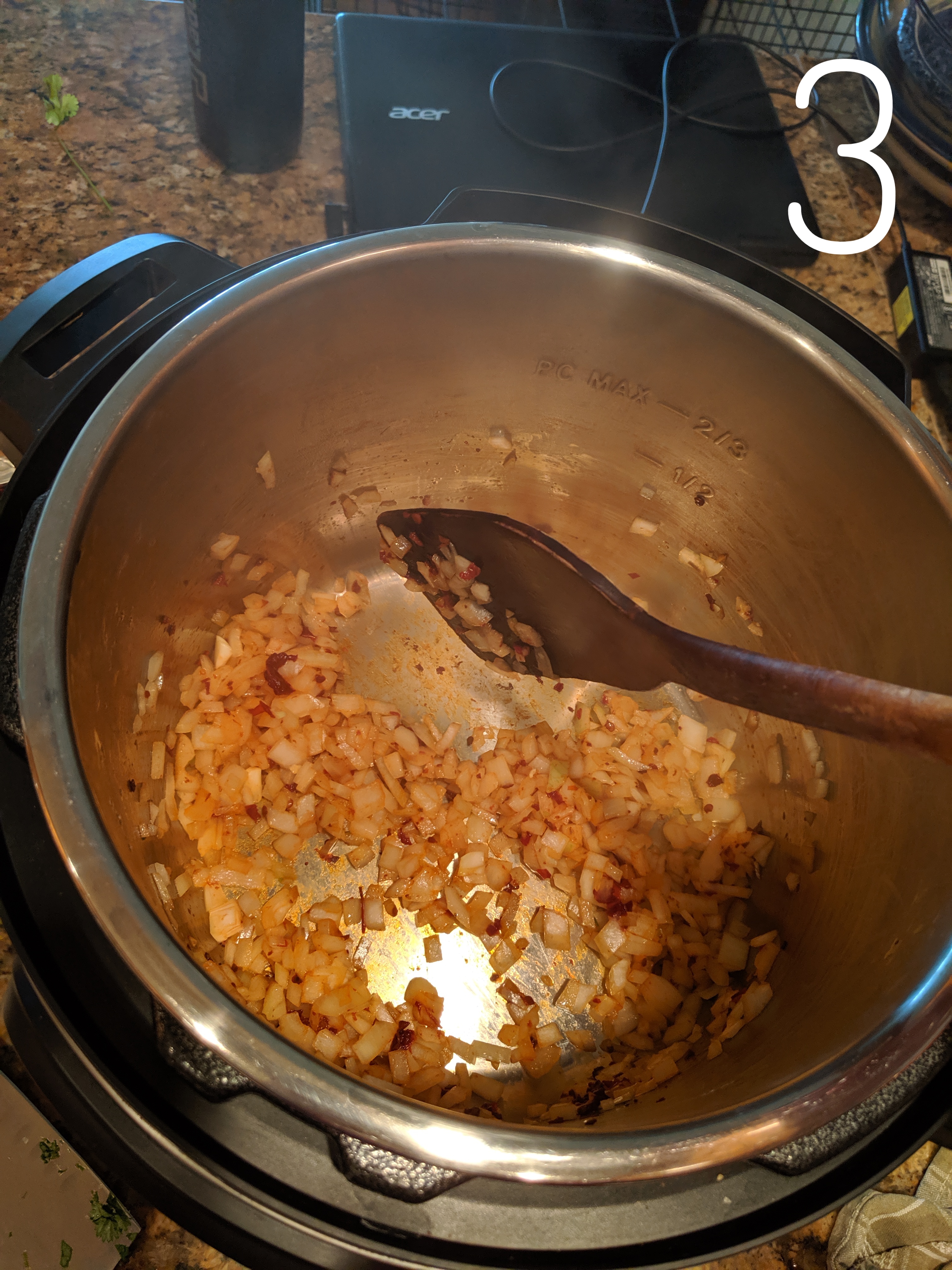
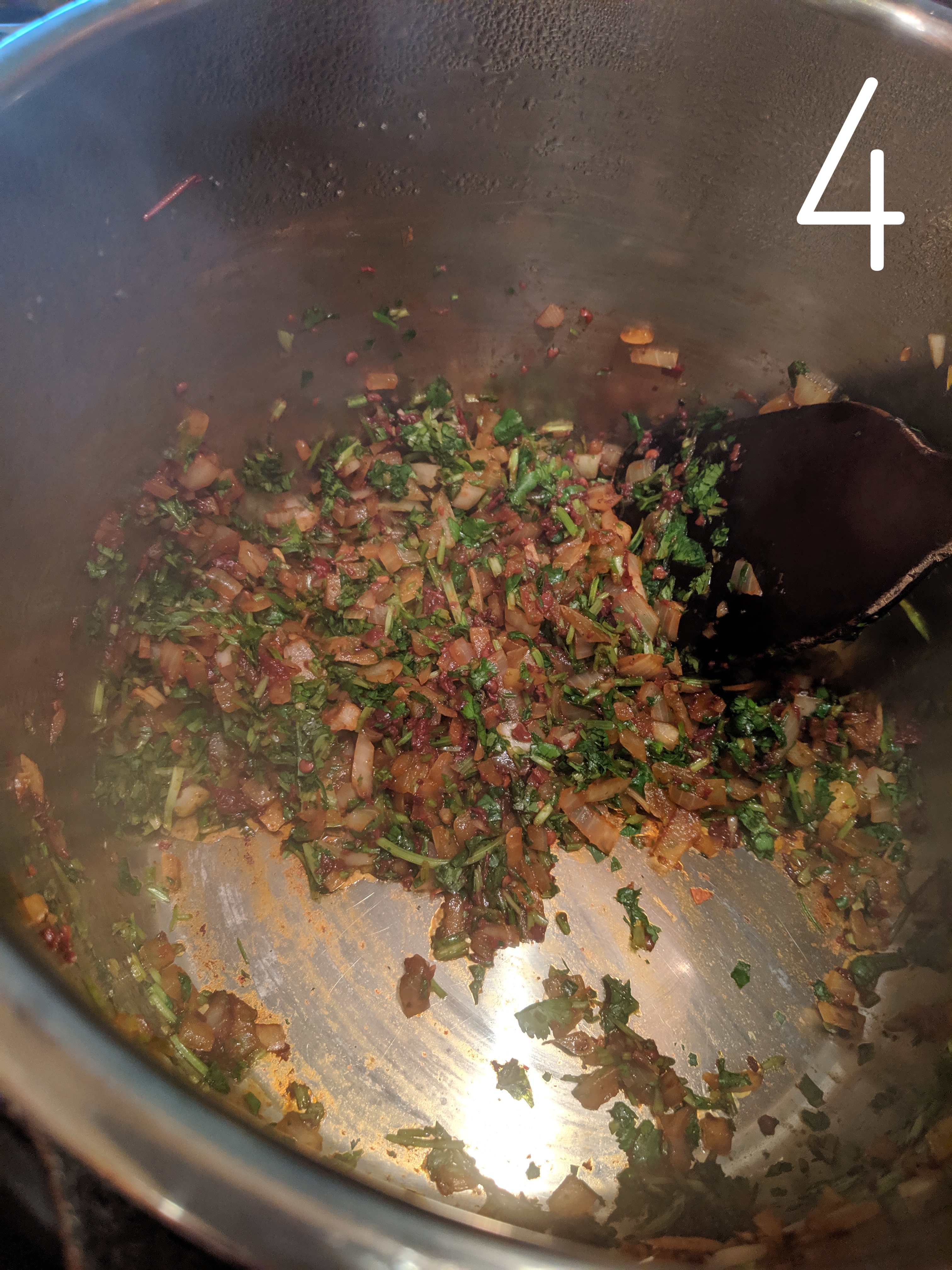

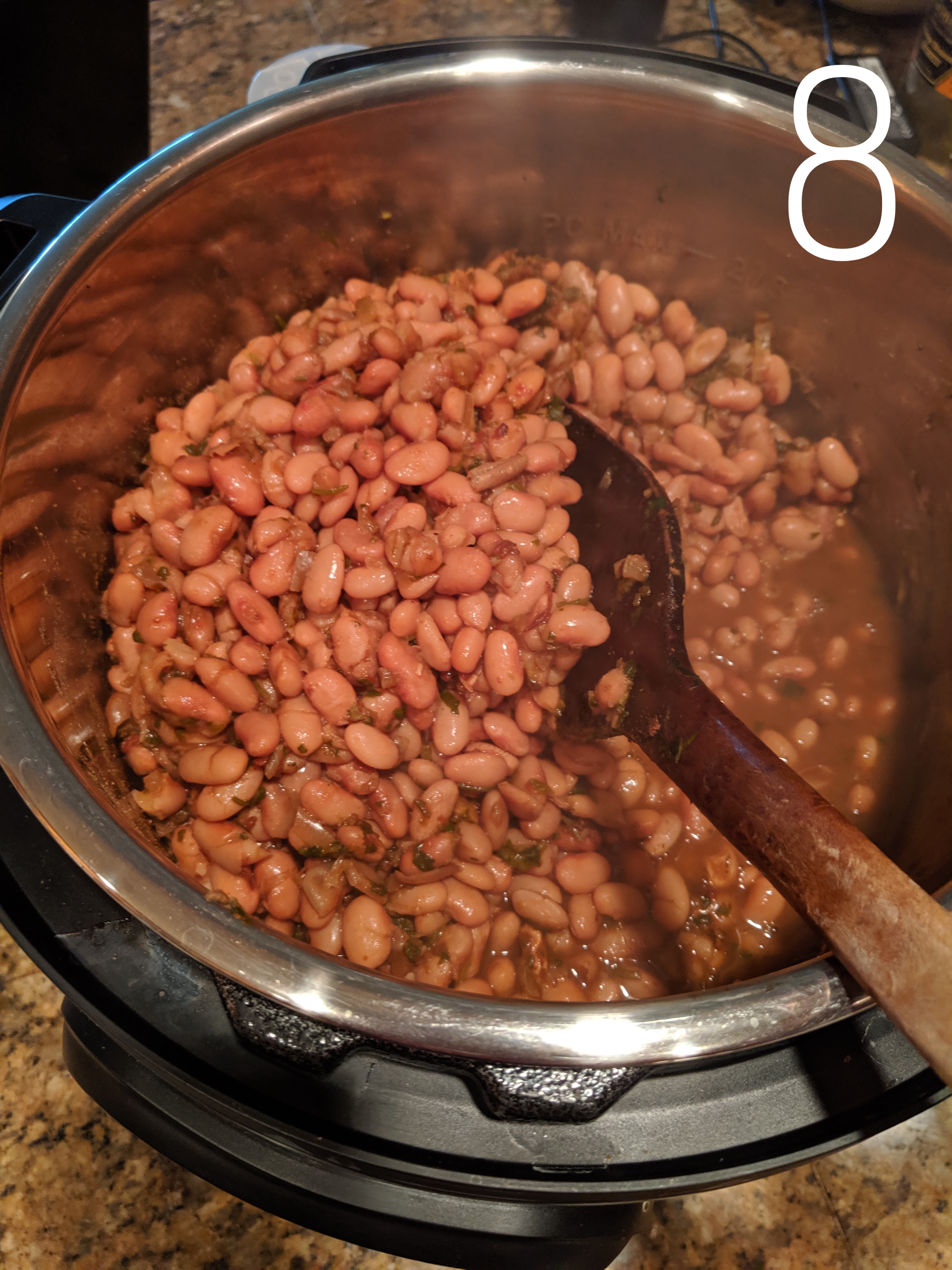
- Soak dried beans. 2. Pour off soaking liquid. 3. Sauté onion. 4. Add spices and herbs.
5. Coat beans in seasoning. 6. Add vegetable broth. 7. Pressure cook. 8. Stir in salt.
When the time is up, let the pressure come down naturally. This could take 30+ minutes if you’re making a big batch like I often do. When the lid unlocks, open the lid and stir in the salt. You may want to add less salt if you’re not using a low-sodium broth. You can always add more if necessary, so err on too little at first. Put the lid back on and let the beans soak in the salt.
These beans make fantastic bean burrito bowls. My favorite way to eat them is with a scoop of brown rice, sautéed onions and peppers, mushrooms sautéed with a little tamari and balsamic, shredded purple cabbage, fresh cilantro, chopped tomatoes, corn, avocado, and lime! Sometimes we wrap all these ingredients in a flour tortilla. Sometimes I eat them with corn chips or an oil-free tostada. (For how to make an oil-free tostada in your toaster at home, click here and skip to 2:49/9:25.)
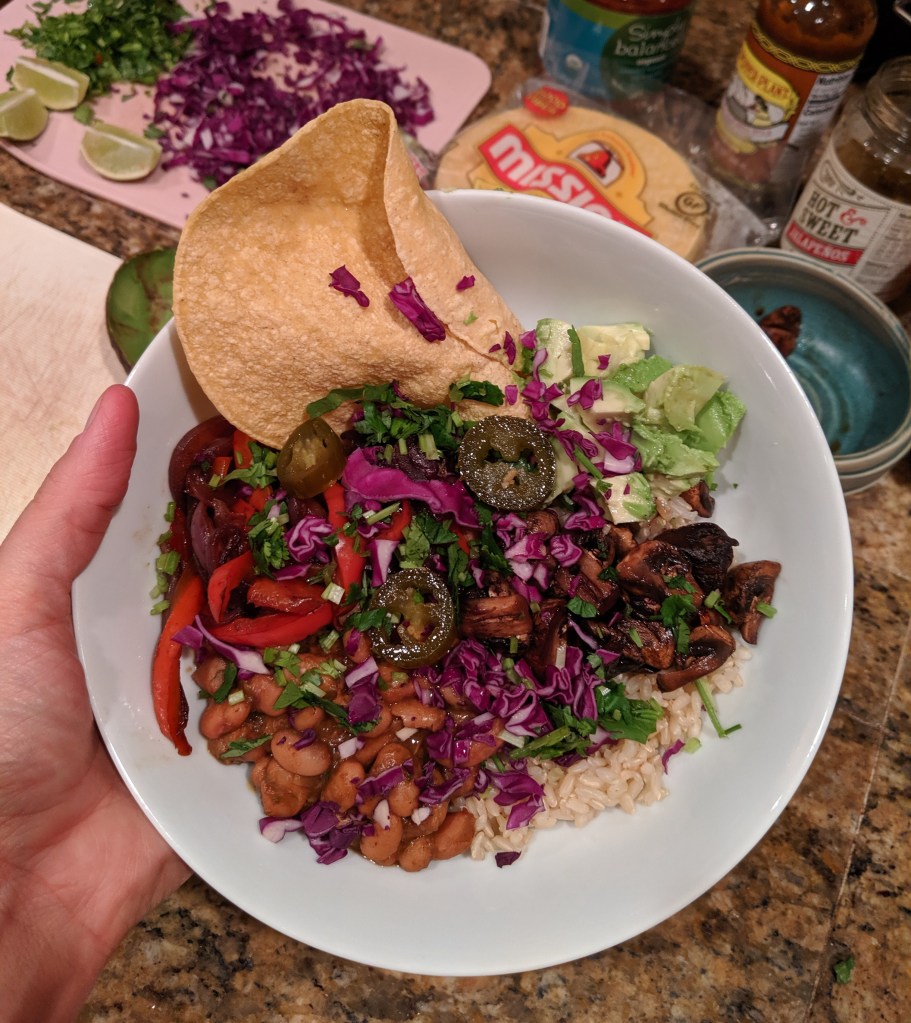
Find them too spicy? Cut the heat with a dollop of sour cream, guacamole, or fresh avocado.
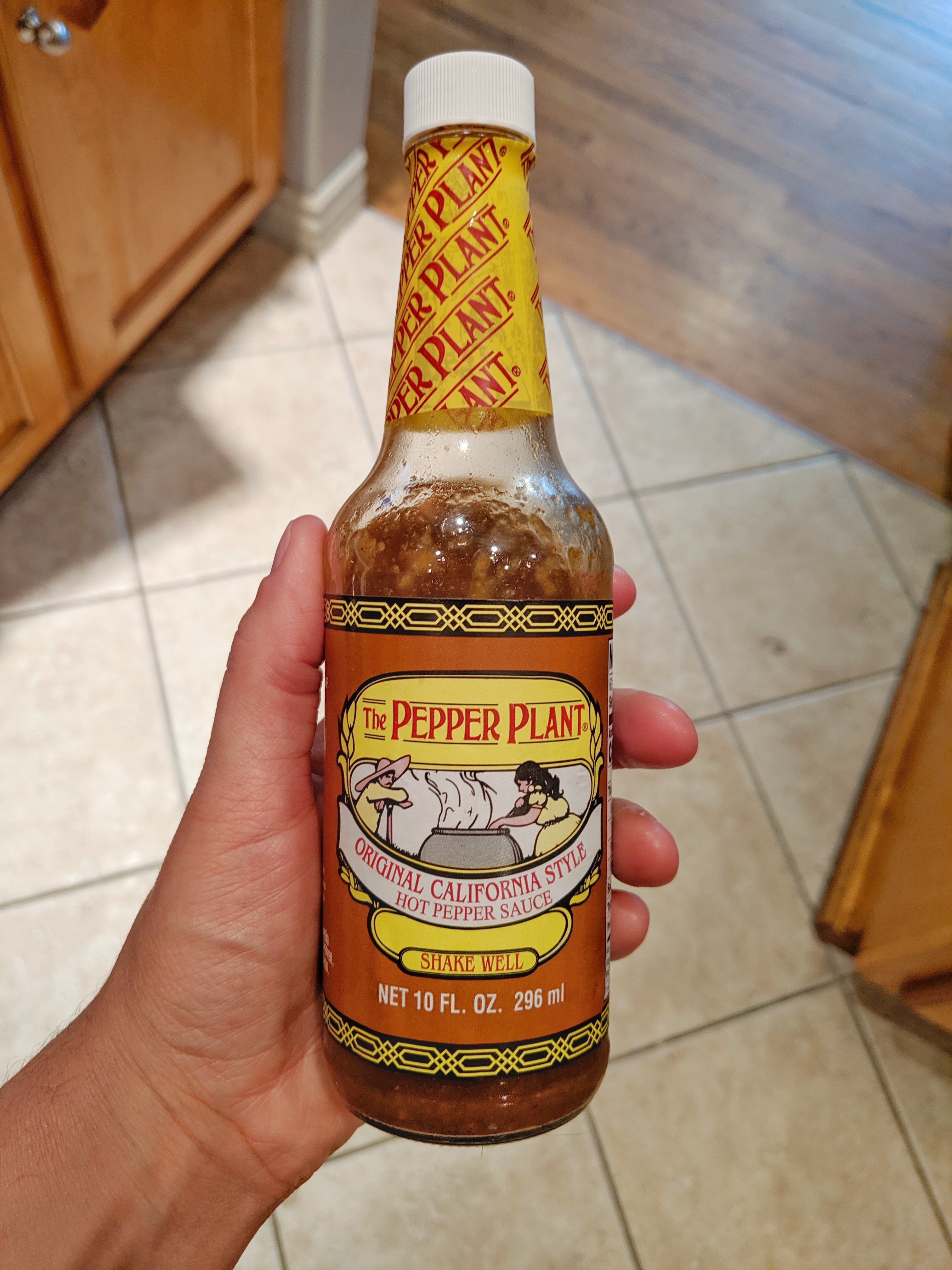
Not spicy enough? Add your favorite hot sauce. Our favorite hot sauce is The Pepper Plant Original California Style, based on a jalapeño purée.
For a kid-friendly version of these beans, cook soaked beans in JUST vegetable broth, and pressure cook them 10 minutes. That extra minute makes them a little softer. Store them in a jar in the fridge.
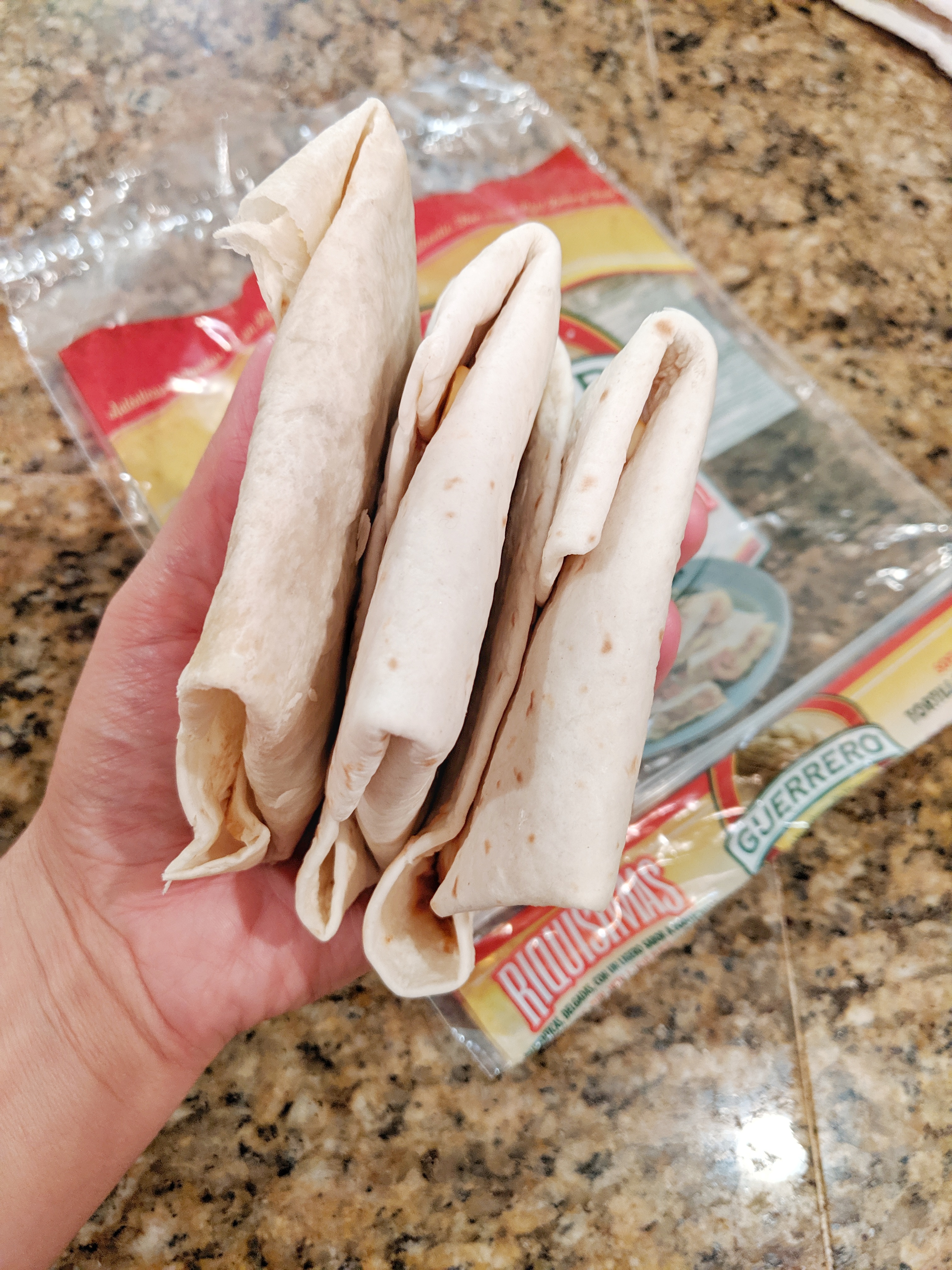
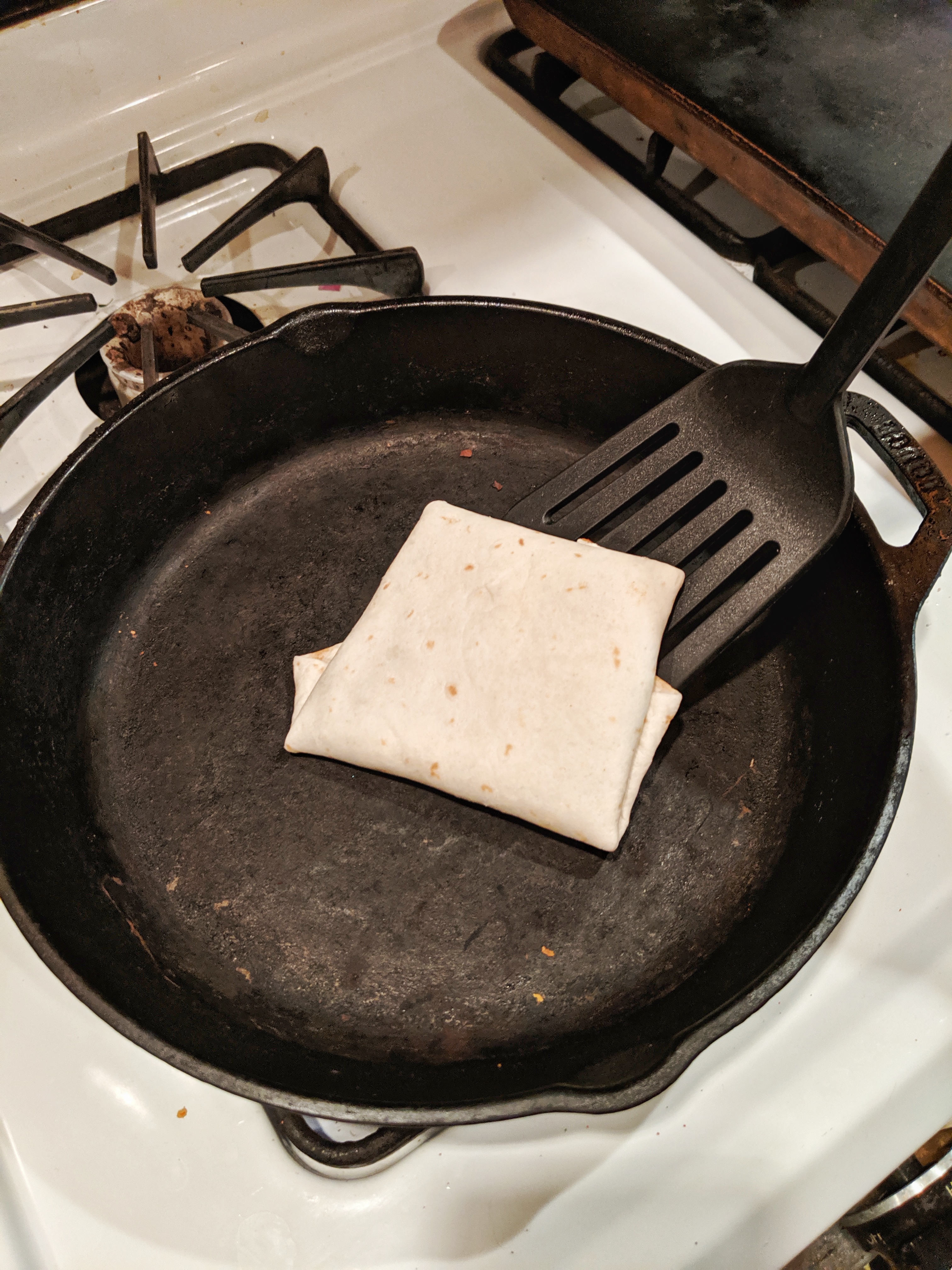
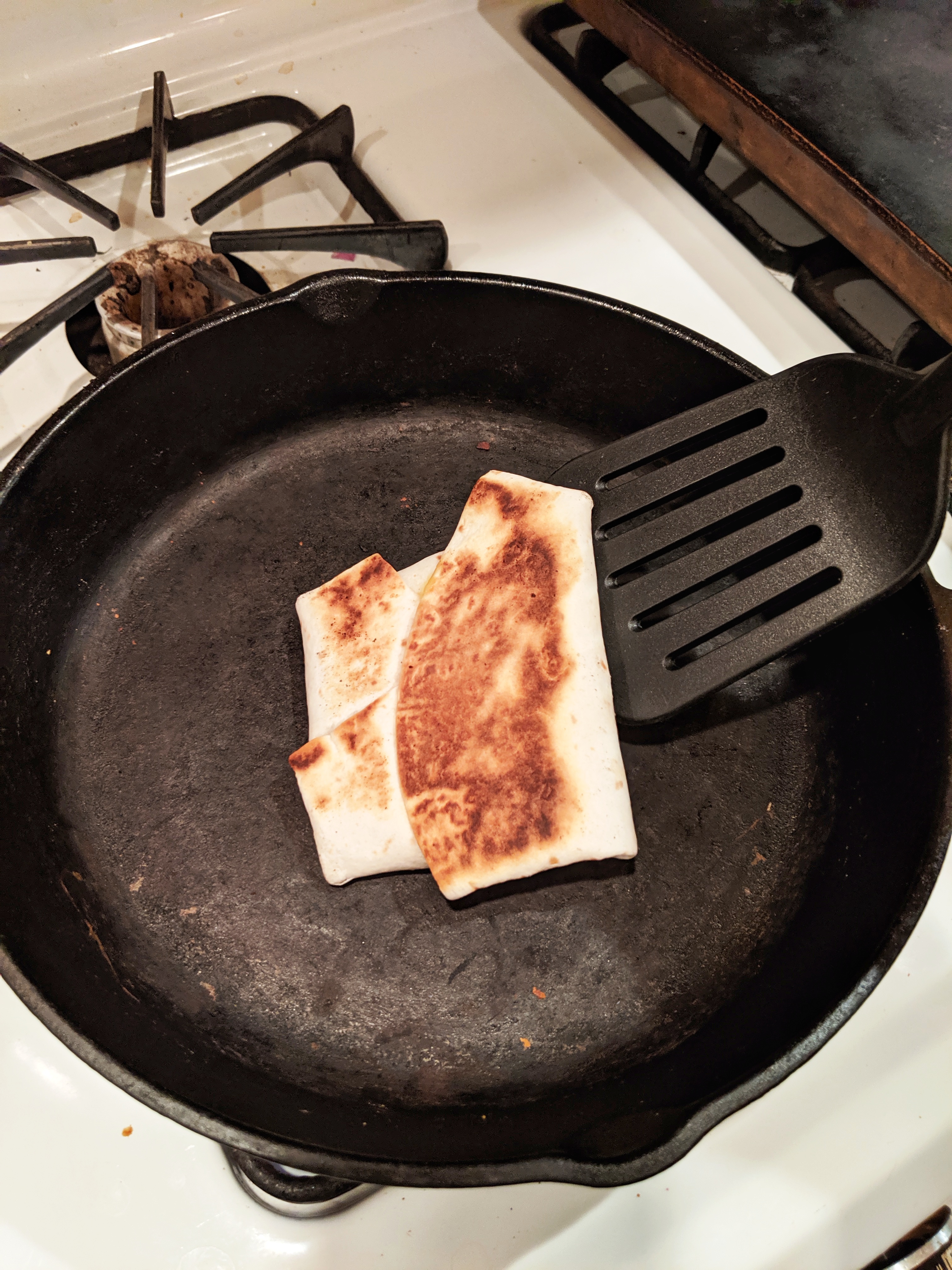
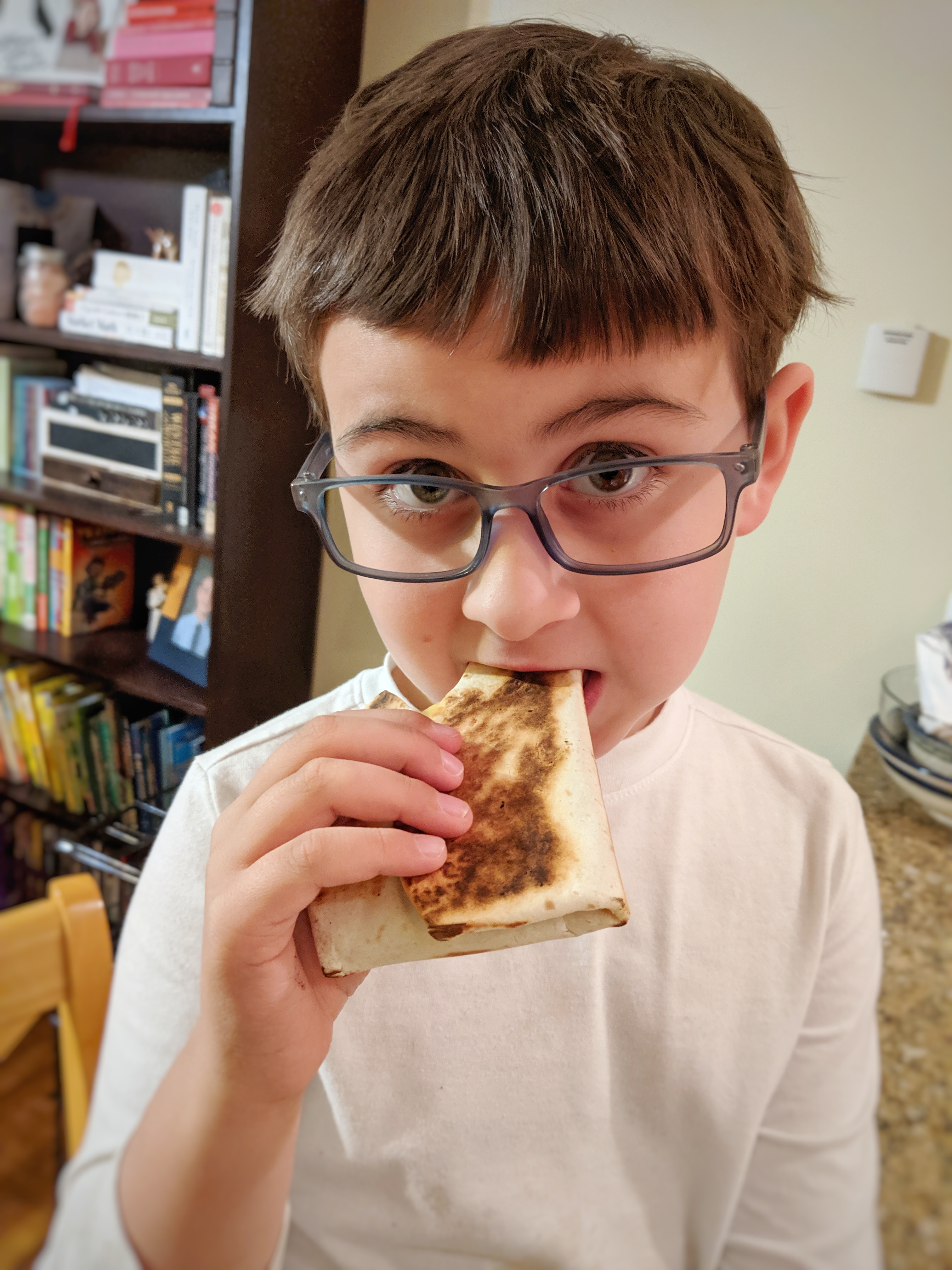
To make Gabe’s favorite bean burrito, scoop a spoonful of just-cooked-in-vegetable-broth beans onto a flour tortilla and use a fork to mash them directly onto the tortilla. Add a little cheese and sour cream, and fold it up.
To make life easier, assemble 5 or 6 burritos at once, stack them, and store them in a bag in the fridge. For a quick kid-meal any time of day, pop a burrito in the frying pan to brown both sides and warm it through. I like to put a little piece of cheese on the fold during assembly so that it glues the burrito together when it melts.


How long do leftover beans last in the fridge?
Easily a week. I’ve noticed that the kid’s beans last longer if I have enough “bean gravy” in the jar to cover the actual beans. I frequently make large batches of beans. If you’ve made more than you want to eat this week, share them with a neighbor or store some in the freezer!
How do you know if the beans are still good?
Take them out of the fridge and take off the lid. If it smells like someone farted in the jar… they’ve gone bad. If there’s visible mold growing on them, they’ve gone bad. If they smell neutral and look normal, they’re good.
This Chipotle Bean recipe is an adaptation of Laura Pazzaglia’s Not Re-fried Beans.
I hope your family enjoys them as much as mine.

 She Shapes