
 By
By When it comes to eating patterns, will power, and self-esteem, your menstrual cycle is pulling some strings. In my journey, I’ve found it helpful to know that what’s happening in my body is affecting my emotions and my resolve to pursue my goals. See my last post 24 days forward, 4 days back.
It’s always fascinated me that you don’t need to know anything about biochemistry in order for your reproductive systems to function optimally. The body knows what to do. Your brain, blood, bones, hormones, and muscles are working together to accomplish something miraculous, and you didn’t even need to go to Kindergarten.
If you’ve ever used the Fertility Awareness Method or gone through a period of trying to conceive, then you’ve learned to track your cycle. You understand basic patterns in your cycle and changes in cervical mucous. But you don’t need to be in either of those camps to track your cycle and make observations about your mood and behavior.
The old fashioned way to keep detailed track of your symptoms is to use a chart, like the ones recommended in Taking Charge of Your Fertility. The bulk of space in these paper charts is dedicated to morning Basal Body Temperatures (BBT) and there’s really no space to add notes. BBT provides great insight into fluctuations in your estrogen and progesterone levels, but you don’t need to be that hard core in order to identify patters in your cycle that can help you make healthier choices and give yourself more grace.
Use an App
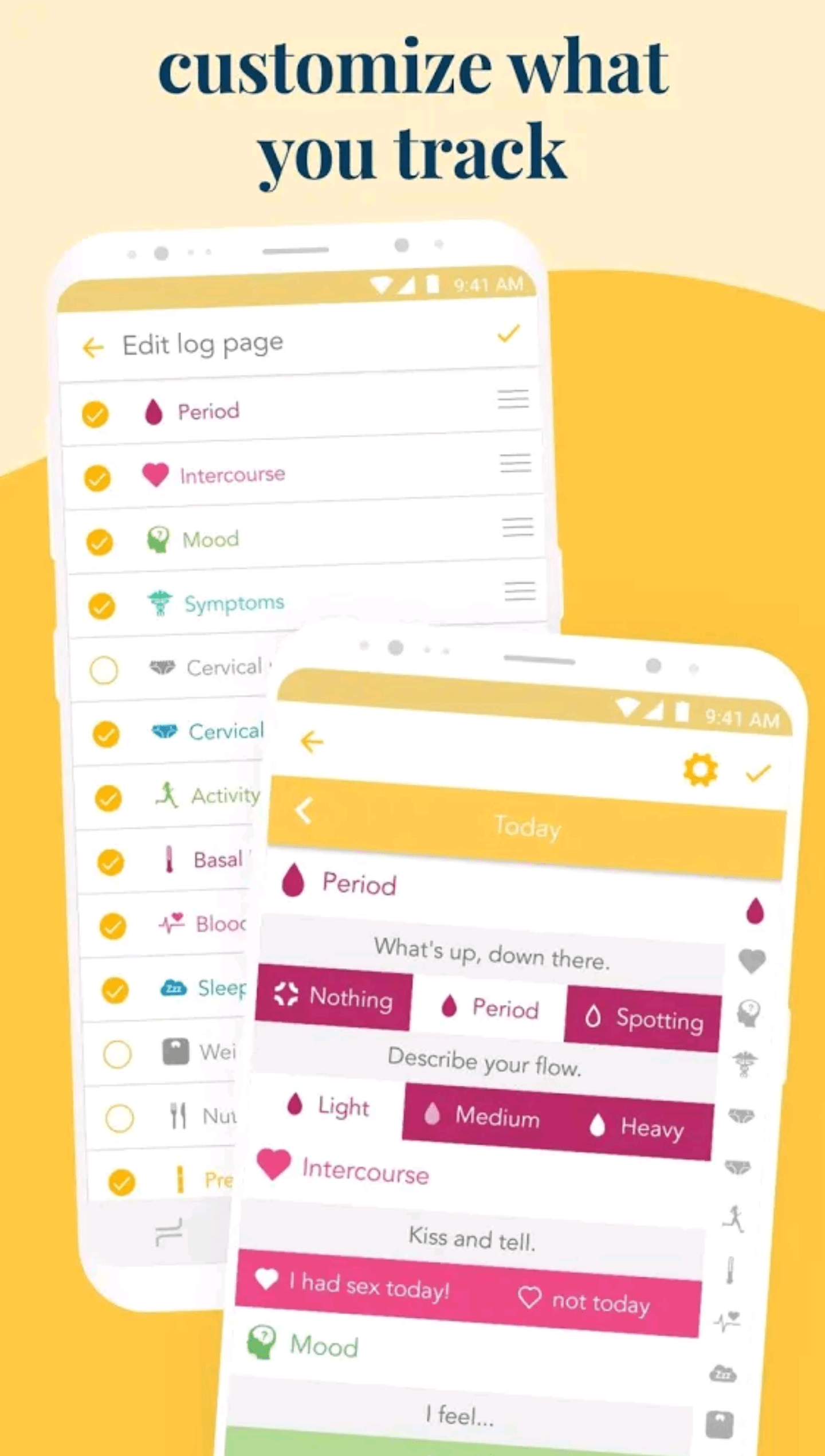
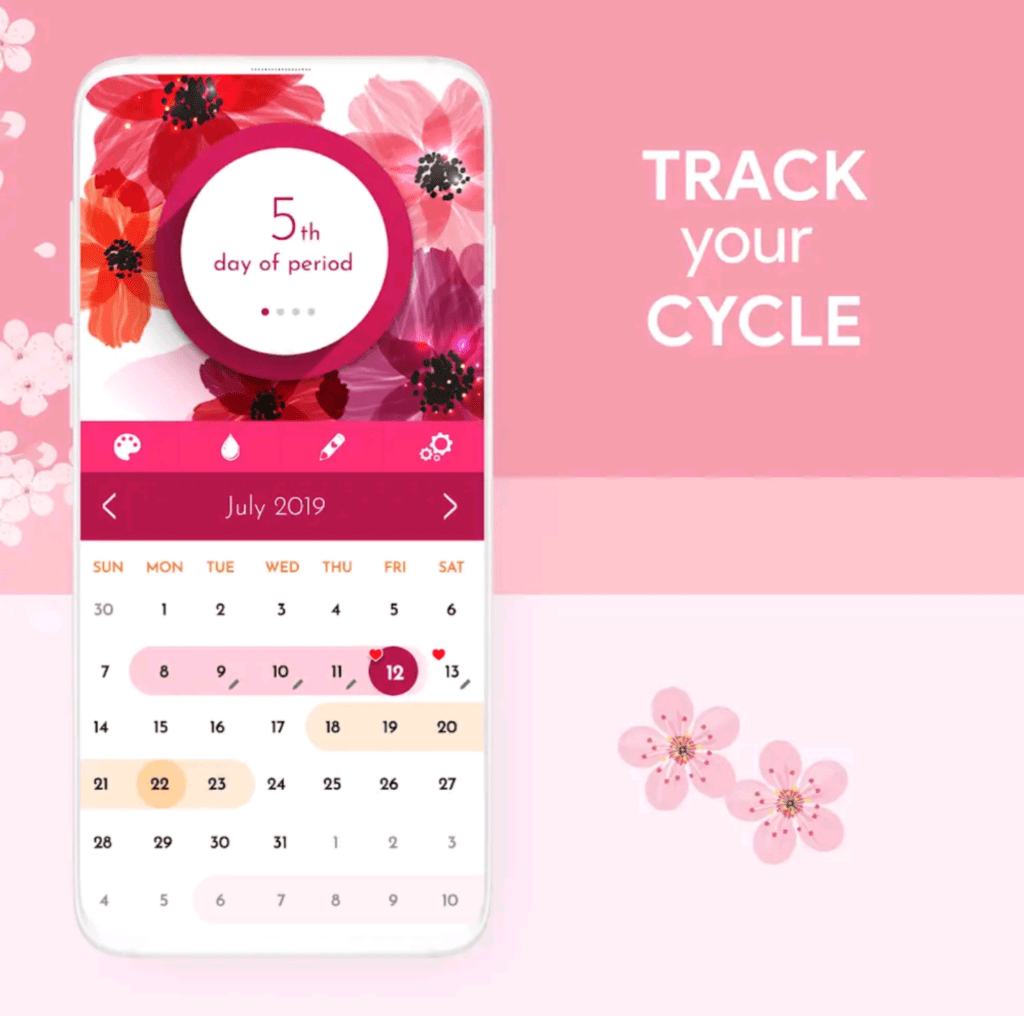
The simplest way for a modern day woman to track her cycle is to use an app! There are so many choices you can download and try out. Find one that fits with your personality; different apps will appeal to different audiences. I use one called Ovia Fertility: Ovulation and Cycle Tracker. Most of these apps will allow you to track your symptoms, weight, mood, exercise, water, sleep, and sex. Track whatever’s important to you. They also provide online communities where you can ask questions and see if other women noticed similar things.
Keep a Journal
If you have concerns about data mining or you’re a pen/paper person, try keeping a journal, preferably something you can access anytime you have a spare moment, like in a waiting room or on the bus. You can make notes in your agenda (yes, I still use an agenda just like I did in high school) or keep an electronic journal in your phone (like a google doc) that you can access anytime. If you go the journal route, be sure to make note of :
- what cycle day it is (the day you start your period is day 1)
- any obvious physical symptoms (what you see on your panties or what you’re feeling in your body)
- and then any other observations about your mood or behavior
Ask a Partner or Roommate
If gentle and observant, your partner or roommate can be an incredible source of information. I grew up in a household full of women. The last thing I want to hear when I’m crying and snotting on my sleeves is, “Are you raggin’?” I always thought What does that have to do with anything? I hated it because I felt like it was aimed at minimizing everything I was upset about. Really, my family was just searching for a way to explain an explosion of emotions that didn’t seem merited by the issue.
Now I live with all men (even the dog). I have a very curious, kind, and intelligent husband. He’s gentle in spirit, and his voiced observations have taught me so much about myself. He pointed out that I have a heightened sense of smell in the days leading up to my period. I find mild smells (virtually undetectable by my husband) overwhelming and repulsive. Some mornings I change my clothes 5 times because nothing fits right or feels right, and I’m so dissatisfied when I look in the mirror. I get a little cranky late in my cycle, which evolves into teary, and then cuddly. Mike’s the one who noticed these patterns. He strategically gives me space or embraces me, loving me through the whole cycle.
Take Tiny Steps
If you’re not tracking your cycle at all, take that first step. At least make a note on the calendar the day you start your period. If nothing else, it’ll be useful when the nurse asks you what the first day of your last period was. Awareness of your patterns and your body chemistry can empower you to walk away from the mirror, knowing that you’ll feel better tomorrow.
Image by Bastian Wiedenhaupt from Pixabay

 She Shapes