 By
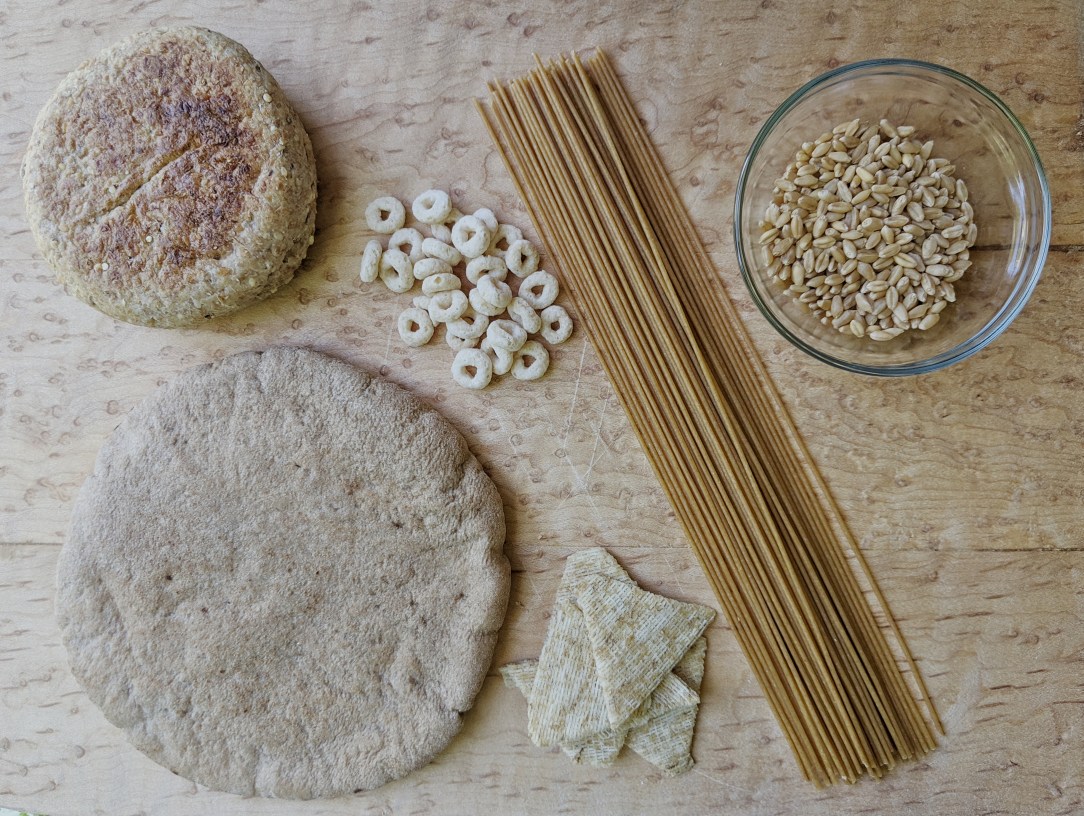
By National Dietary Guidelines recommend that people eat more whole grains. People might choose whole wheat bread instead of white bread, cereals “made with 100% whole grains”, instant oatmeal… but these are NOT great choices. Whole grains should be… WHOLE and intact, the way they grew on the plant.
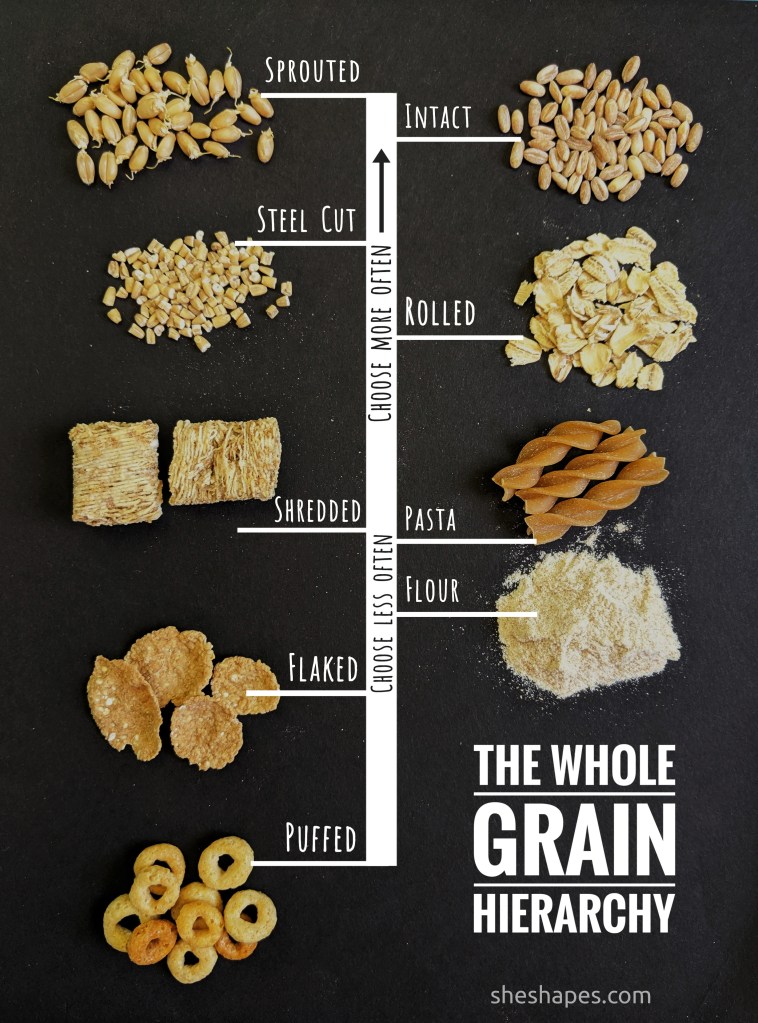
Brenda Davis, registered dietitian and internationally acclaimed speaker, developed a system for looking at whole grains to help her diabetes patients make healthier choices and control their blood sugars. She calls it the Whole Grain Hierarchy, and she has a wonderful, detailed video explaining it here. Understanding this hierarchy will help you overcome much of the confusion around carbohydrates and feel more confident making food decisions. This post summarizes the hierarchy and offers some suggestions on how to approach it.
Unprocessed, whole grains are found in the dried goods or international section of your grocery store. They’re usually sold in a bag or in bulk.
Sprouted Whole Grains are BEST.
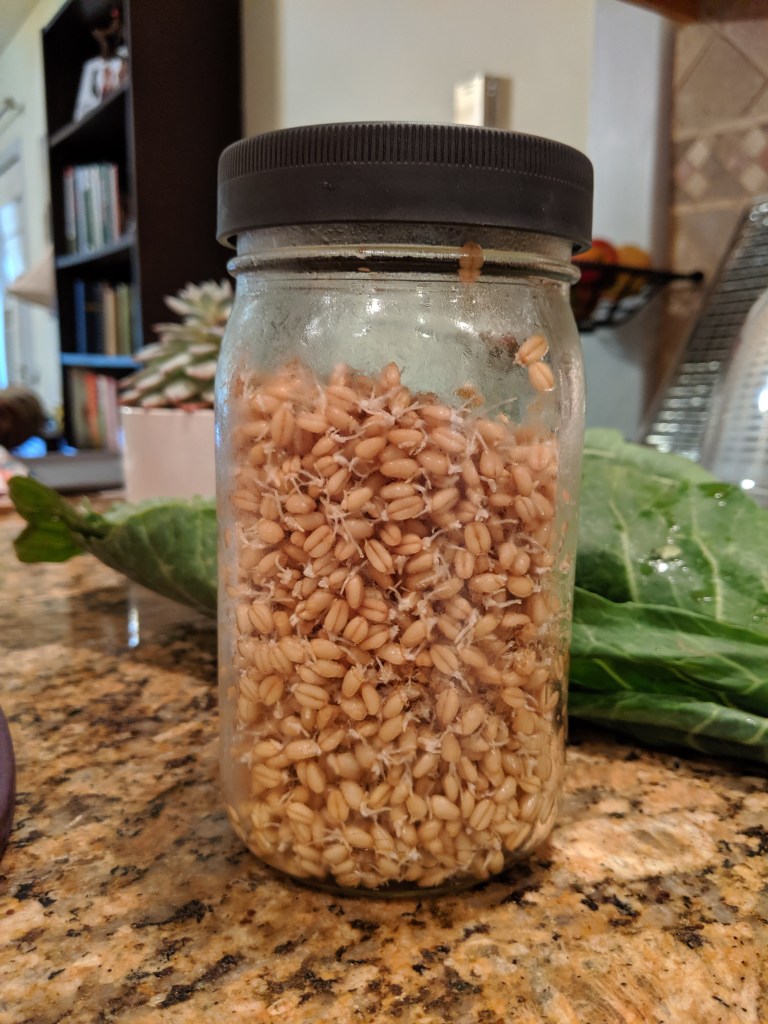
You can sprout grains at home and they’re actually more nutritious than the original grain. They’re very easy to sprout and easy to include in your diet. There’s a post coming soon on How to Sprout Your Own Wheat Berries (one of my favorite grains) and what to do with them.
Intact Cooked Grains are excellent.
These include cooked wheat berries, brown rice, farro, kamut, buckwheat, oat groats, and more. The inedible husk has been removed, and that’s it! They may need to simmer on the stove for an hour or more. They’re dense, chewy, and oh so satisfying. If you’re used to eating white rice, the texture of whole grains might take some getting used to. You might need to try different grains and you might need to try them several times. Whole grains demand chewing!
Cut Grains are very good.
Think steel cut oats. This is a whole grain that’s been cut so that the pieces are smaller and the cooking time is faster. If you’ve ever made steel cut oats, you know that they still require a lengthy cooking time, but you can start eating them on busy mornings by finding a great overnight slow cooker recipe. They will give you sustained energy throughout the morning and help ward off that afternoon groggy feeling.
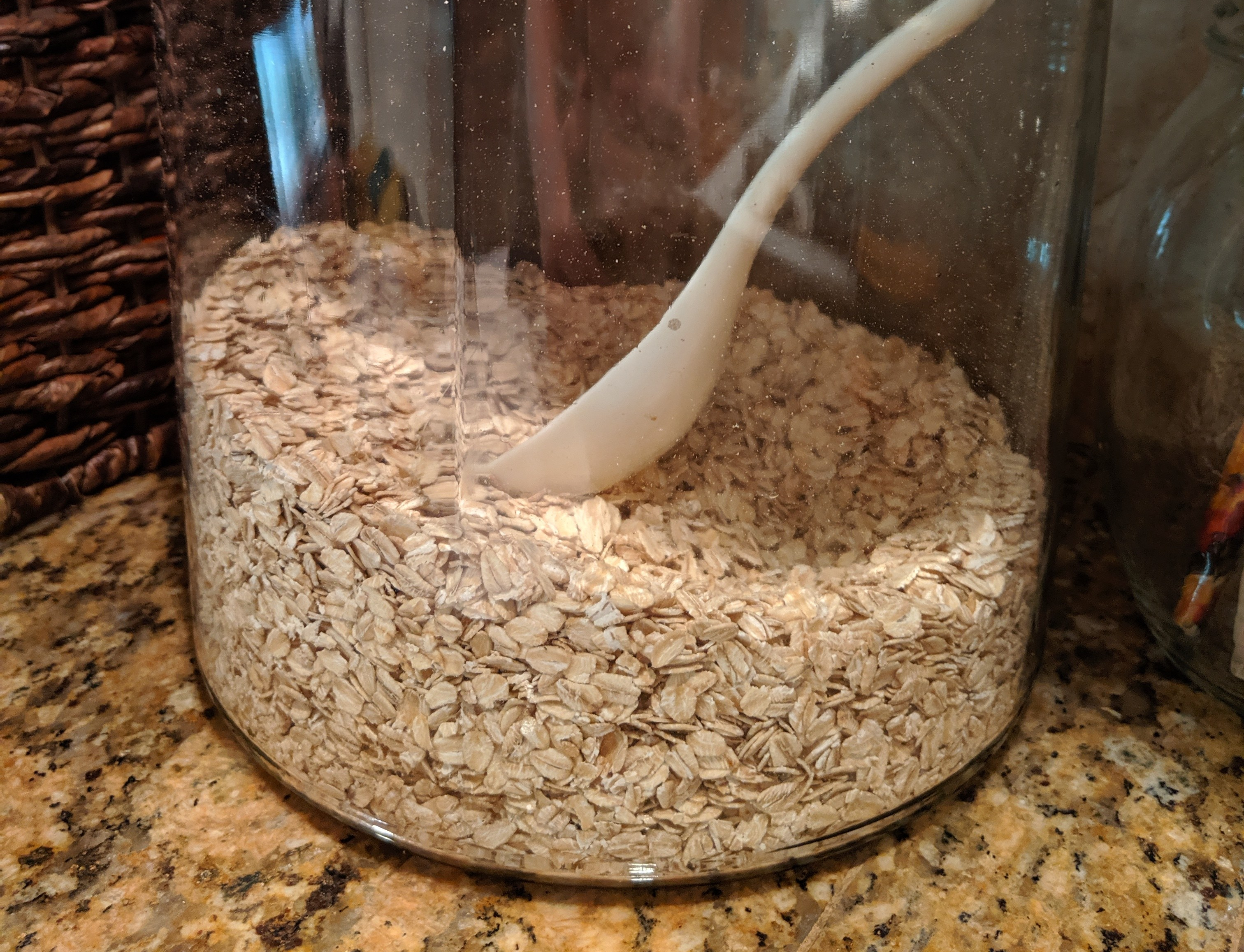
Rolled Grains are good.
These are whole grains that have been steamed and rolled flat, like large flaked oatmeal and spelt flakes. They cook up easily. This is my go-to comfort food. I usually top it with all kinds of dried and fresh fruits, seeds, and plant milk. You can also soak them in plant milk with chia seeds overnight to make “overnight oats.” I usually stir in sunflower seeds, pumpkin seeds, cinnamon, and a big scoop of jam or chopped dates with maple syrup for a sweet and ready-to-eat breakfast.
What about Flours, Shreds, Boxed Cereal Flakes, and Puffs?
These grains are more heavily processed. Some of the nutrients have been destroyed or lost. They’ve been ground into flour (to make whole wheat breads, pastries, muffins and doughs), shredded (like shredded wheat), made into flakes (like bran flakes), and puffed (like rice cakes). Even though these products are made with whole grains and they’re far more nutritious than the ‘white’ versions of themselves, they will still spike your blood sugar and leave you wanting.
Below are some ideas for how to eat a little higher on the hierarchy.
Option 1. Eliminate Processed Grains
Brenda Davis suggests that people draw a red line at ROLLED grains and only eat above that line. Eliminating processed grains from your diet will help you achieve better blood sugar control and help you lose weight. If you want to try it for a week, do it! You’ll feel amazing. It requires some prep and planning though. You’re going to want to have some cooked grains in the fridge, oatmeal in the pantry, and ready to eat snacks (like fruit or veggies/hummus).
Option 2. Increase Unprocessed Grains
This approach is painless. We’re not all ready to give up our bread, cereal, and crackers, but you might want to ADD more true whole grains. I suggest learning how to sprout wheat berries (it’s very easy) and adding them to your cereal or oatmeal. I frequently make Wheat Berry Bowls as a hearty substitute for cereal. I add sprouted wheat berries to my Collard Banana Wraps. They’re delicious added to salads. Mix them into your burger patties (Great idea Mavis!). Be creative.
Option 3. Get Acquainted with Whole Grains
Try new types of whole grains you haven’t tried before, like kamut or farro. There are even different kinds of brown/whole rice: basmati, jasmine, short grain, wild, red. Try a new recipe, like a wheat berry salad or a whole grain pilaf. You might discover something you love that will make you healthier, satisfied longer, and more excited about lunch.


1 comments on “Comparing Whole Grains”