 By
By My story starts with an intellectual wake up call. I read about the likelihood I would get cancer or heart disease as a woman living in the United States and decided I didn’t like the odds. I knew that my personal risk was actually much higher than 56% (my calculated risk as a women living the USA) since I was morbidly obese, inactive, and living on ice cream and coffee. I had a toddler at the time. I wanted to have more energy, to model good eating habits, and to live longer. You get it, cause you’ve thought about all these things too.
Thus began a journey of relearning what’s good for me and how to make it taste good. I studied. I ate. I tried.
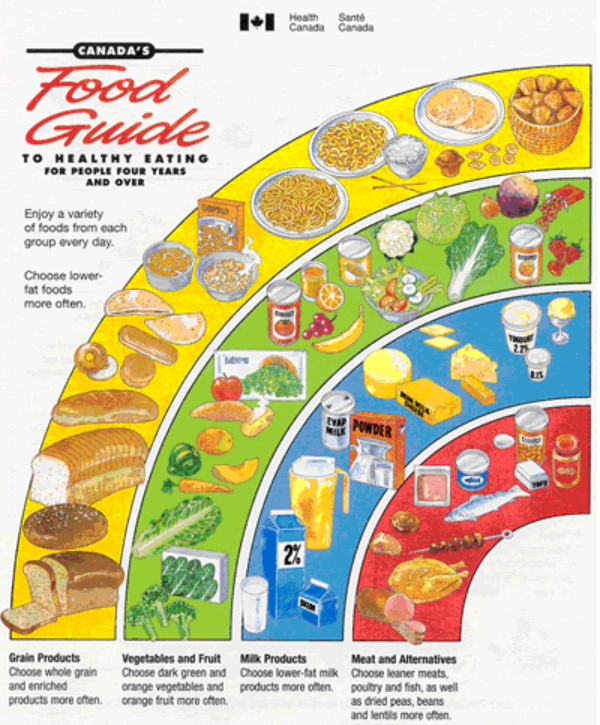
We all have ideas about what a healthy diet is, whether we eat well or not. I grew up in a hunting and fishing community where everyone thought vegetarians were severely malnourished and no one even knew what a vegan was. In school, I was taught to follow the National Food Guide (which included white bread, orange juice, and ice cream).
The first thing I had to relearn was – “What’s actually healthy?”
I studied.
- First, I found myself binge watching plant-based and vegan documentaries, like What the Health, Forks Over Knives, and Plant Pure Nation.
- I read books about health and nutrition like The China Study and How Not to Die.
- I took classes and webinars, like Plant Powered and Thriving and Healthy Balance.
- I even earned a certificate in Plant-Based Nutrition from eCornell.
- To keep myself motivated and informed, I still participate in free online summits every year, like The Food Revolution Summit, Mastering Diabetes and The Real Truth About Weight Loss.
You don’t need to take classes and earn certificates to learn the basics of plant-based eating, so don’t fret about that. It’s really quite simple. If you’re still reading, you’ve got enough curiosity to do this.
I’ve mentioned before the concept of obesity as a form of malnutrition. So rather than trying to restrict my calories, I ate more nutrient-dense foods and gradually reduced the foods that were having a negative impact on my health.
I ate.
- More colorful fruits and vegetables: The phytochemicals and fiber in plants help fight chronic disease, and that was my goal.
- More beans and lentils: Cultures in the world that live the longest and healthiest eat at least 1 cup of beans everyday. So I bought a pressure cooker, and I found the most delicious ways to incorporate beans (and lentils, chickpeas, tofu, tempeh) into my diet every day.
- More dark, leafy greens: These foods improve your mood, reduce your appetite, and control your sugar cravings. So I got more efficient at making salads, sauteing greens, and adding greens to soups, stews, and pastas.
- Less animal-based foods, which increases risk of chronic disease. I found ways to cook hearty and satisfying meals that don’t rely on meat. I learned to build meals around starches (like sweet potatoes, beans, and rice) and vegetables.
I’m not a vegetarian. I occasionally order fish at a restaurant or eat meat at a party. - Less dairy, which is hard on the immune system, digestion, hormones, and cholesterol. I gradually weaned myself off cheese, coffee cream, and … yes, even ice cream. I’ve explored non-dairy varieties of just about everything.
I’m not dairy-free. I still order real cheese on my vegetarian pizza and enjoy dairy-rich desserts from time to time, but I’ve come a long way. - Less oil (including so-called “healthy” oils), which were negatively impacting my weight and cholesterol. I learned to roast vegetables without oil, saute without oil, make substitutions for oil in baking, and make creamy salad dressings without oil.
I’m not oil-free. Sometimes I want to fry my tofu or use a store-bought salad dressing. However, by drastically reducing how much oil I consume, I was able to lose more weight and lower my cholesterol. - Less processed foods (including vegan meats and treats).
I’m not perfect here either. I love soy-based ice creams and corn chips.
This is what shaping looks like:
She Shapes
learning, trying, slipping, not doing it perfectly, and trying again.
I didn’t have a plan. I had knowledge, groceries, and a kitchen. Healthy eating is simple, but as you know, losing weight is complicated. Hunger is biological, but it’s also social, emotional, and psychological. When I was feeling especially motivated, I’d challenge myself. These temporary challenges nearly always helped me to shed a few quick pounds that came back just as quickly, but the true benefit of challenging my body and my taste buds was that I was forced to rediscover food: black coffee, dry-roasted broccoli, sprouted wheat berries, non-dairy milks, greens, and true hunger.
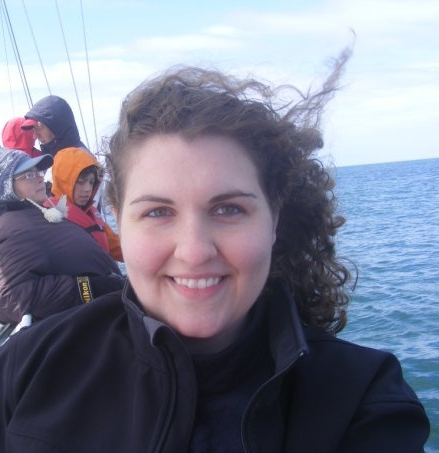
Summer 2009 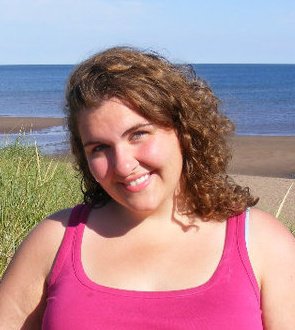
Summer 2010 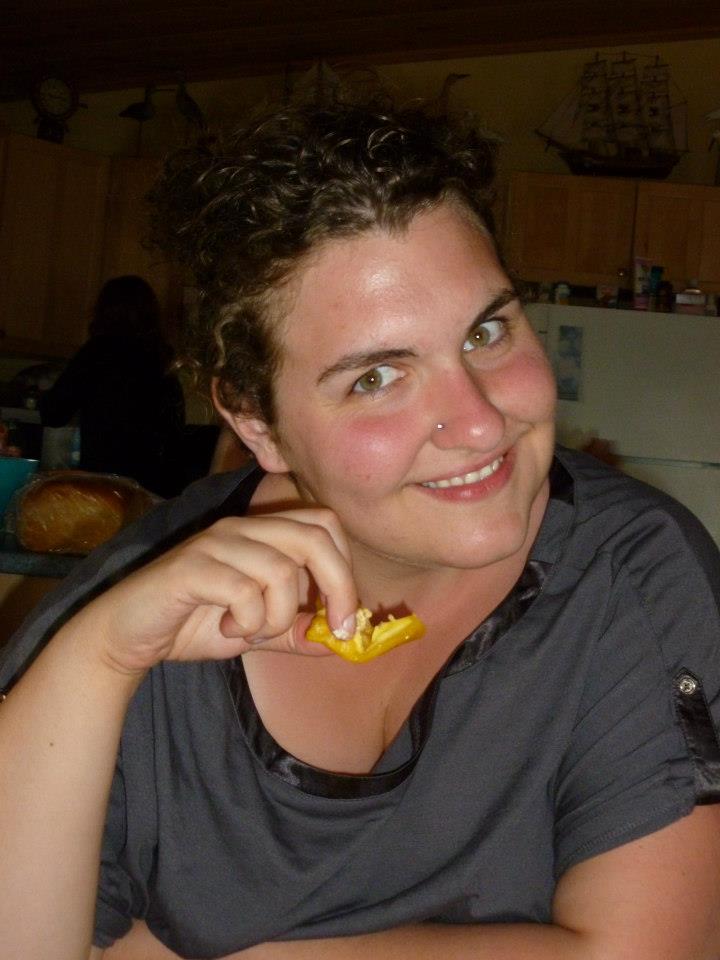
Spring 2012 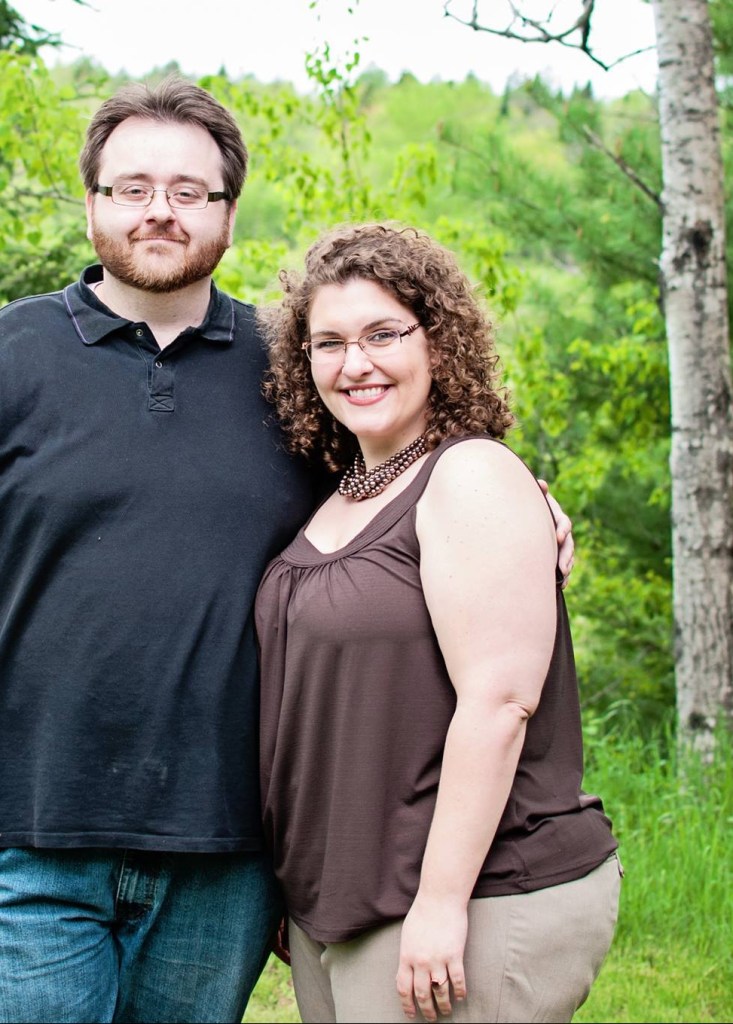
Summer 2013 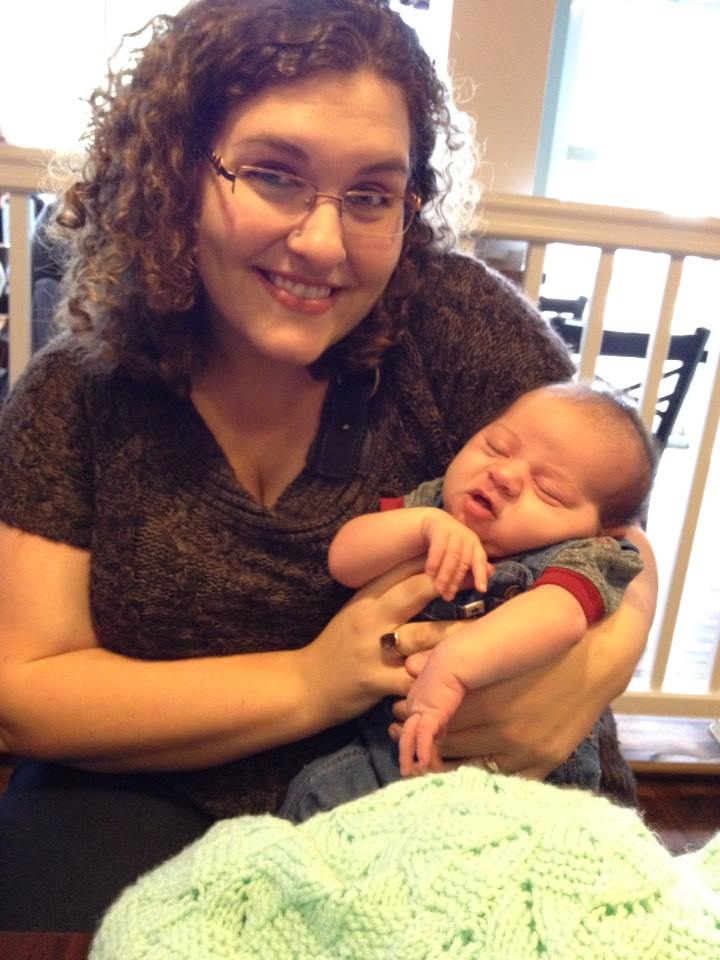
Fall 2013 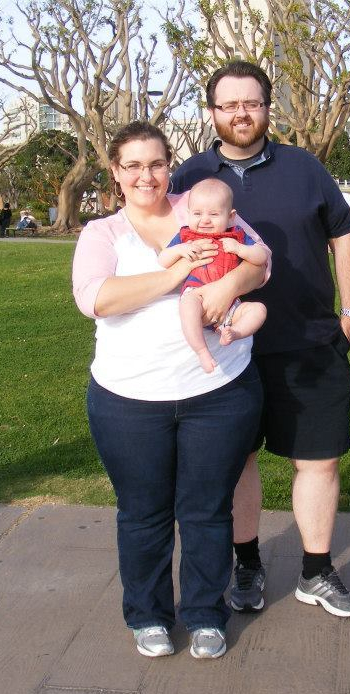
Early 2014 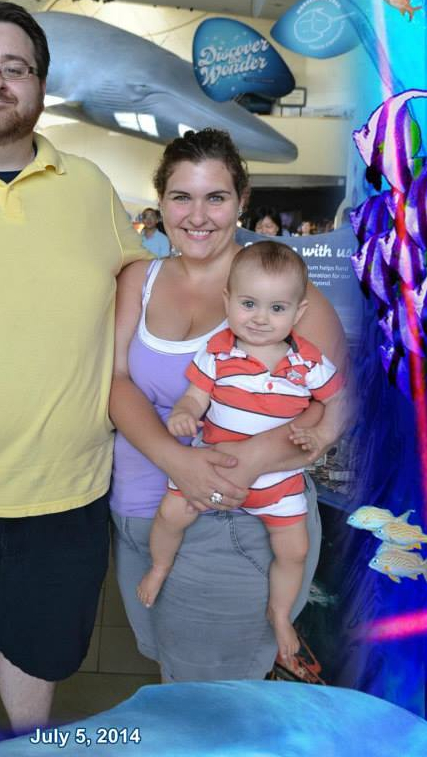
Summer 2014 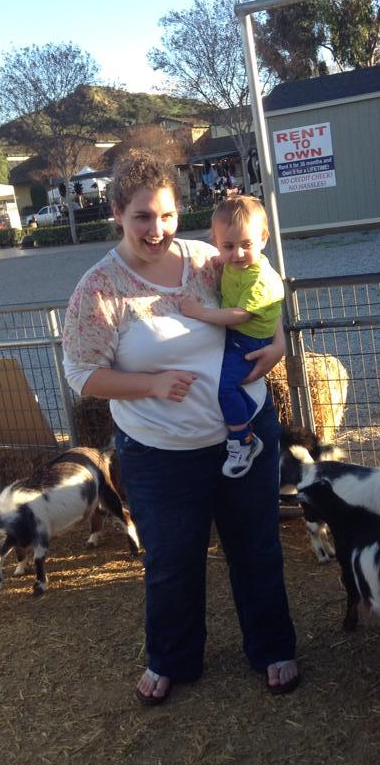
Summer 2015 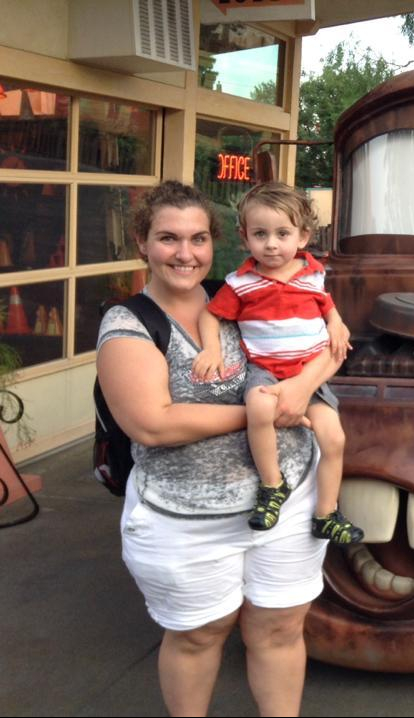
Fall 2015 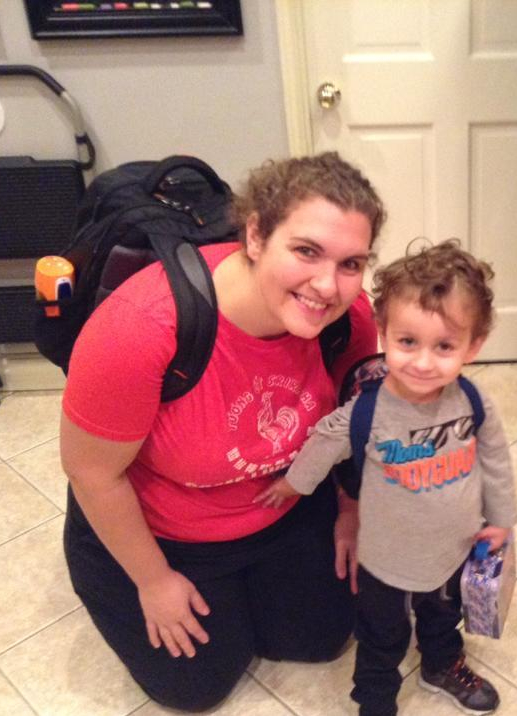
Summer 2016 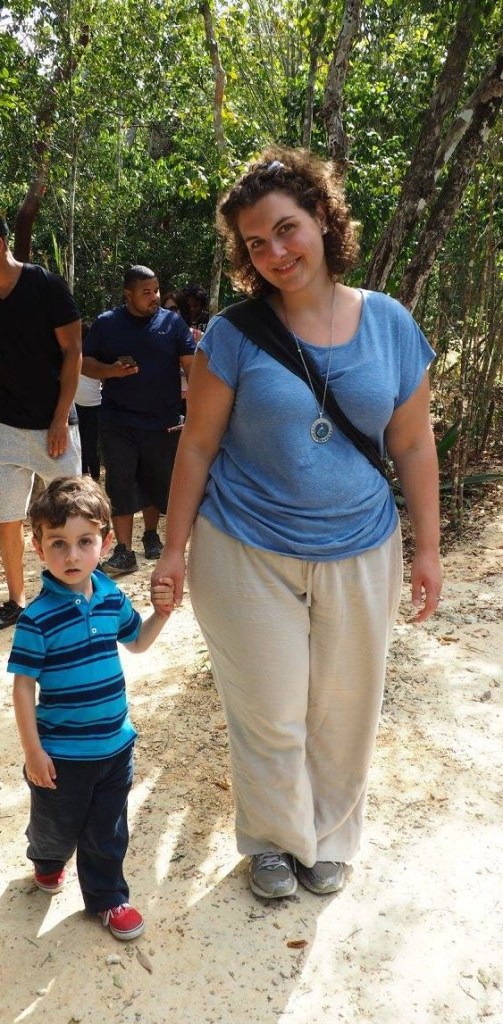
End 2016 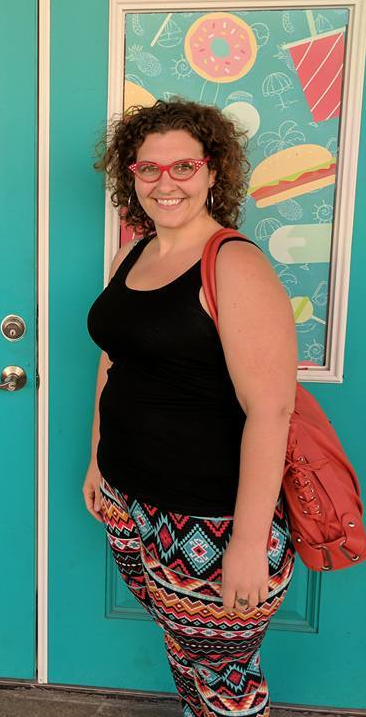
Early 2017 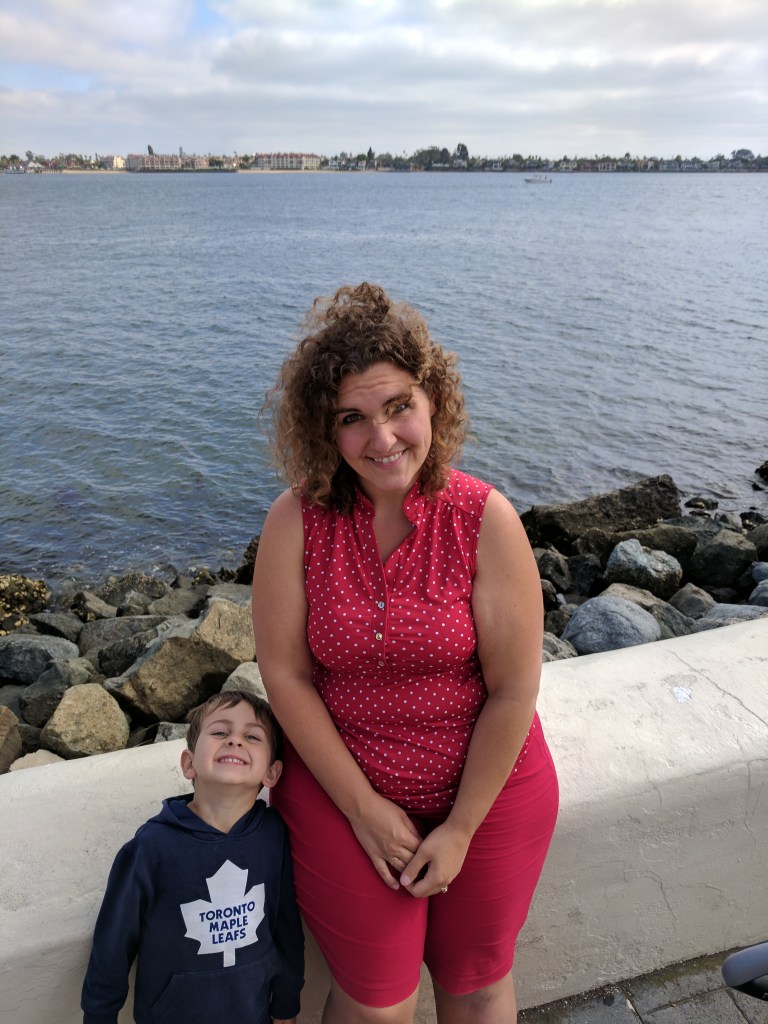
Summer 2017 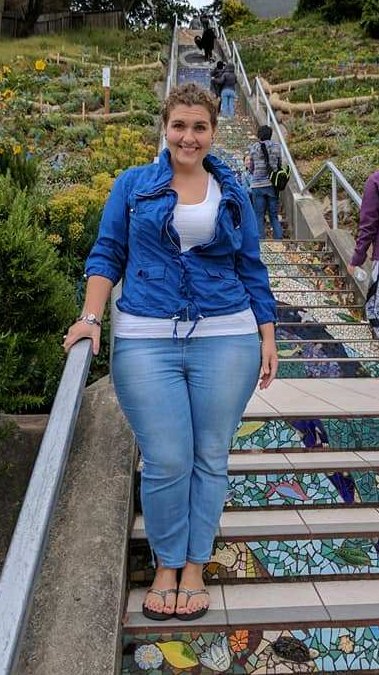
Summer 2017 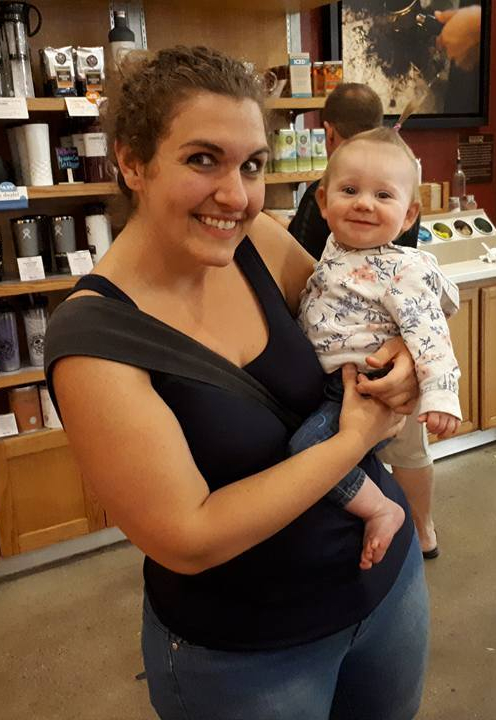
Fall 2017 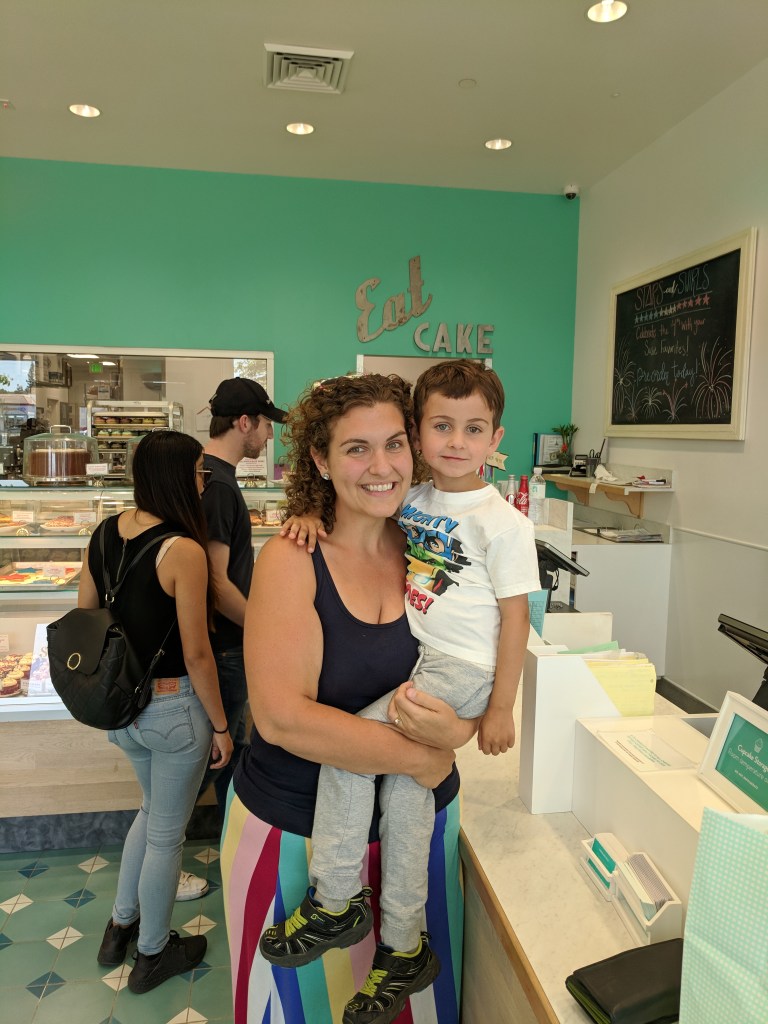
Summer 2018 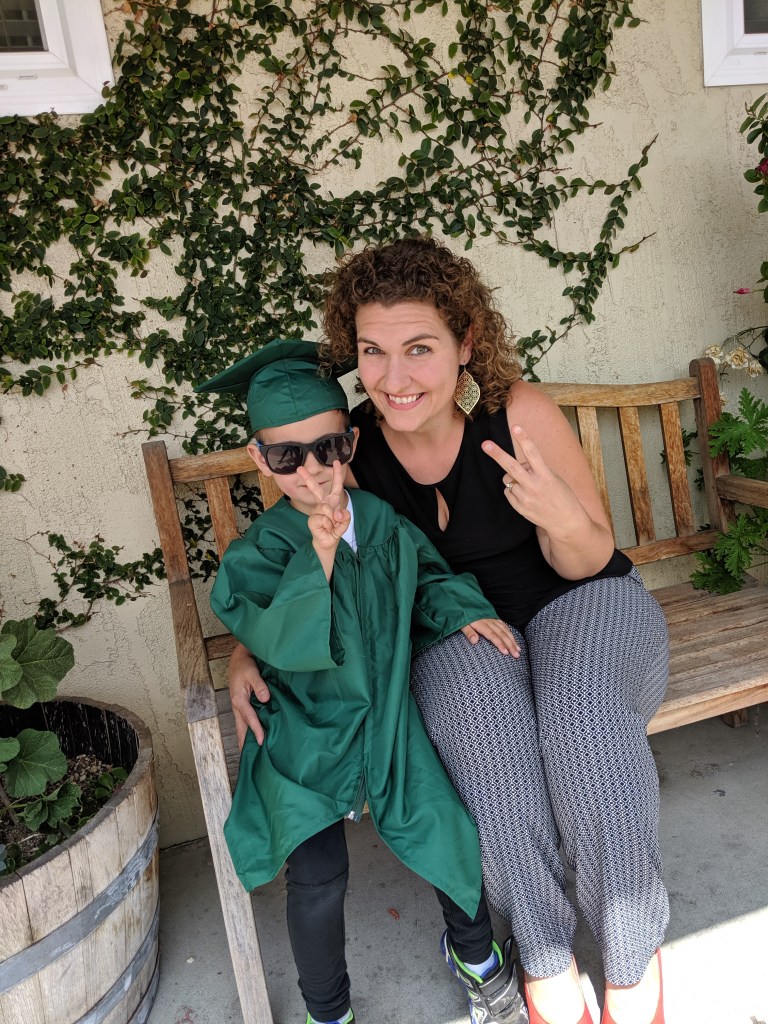
Summer 2019 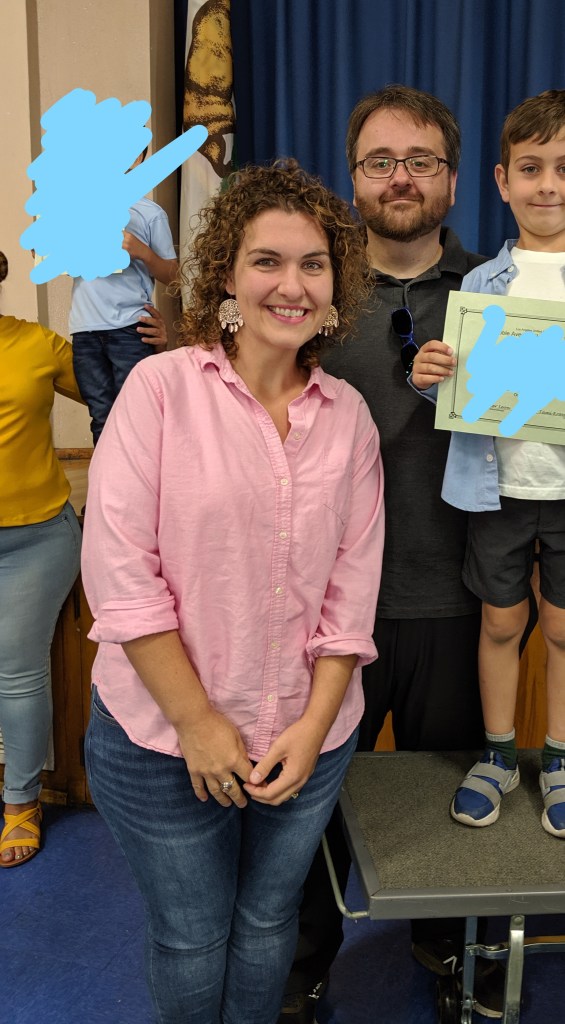
Fall 2019
I tried.
- I started by going just one day without meat.
- I cut back on processed foods (which meant I was doing a lot of baking)
- I tried going dairy-free for a few days at a time.
- I would do a 3 -day juice cleanse or a short-term “detox.”
- I tried eliminating processed grains for 10 days.
- I tried to start new habits like drinking green tea or not eating after dinner.
- I started a blog…
Some of you are able to overhaul your diet overnight, but is there a way to lose weight when you’re only moderately motivated by a few statistics and not ready to give up any of the foods you love? Yes, I think so!
It’s a slow and sustainable path.


You encourage and motivate! Thank you.
LikeLike
Thanks for encouraging me to start a blog, Shirley Ann!
LikeLike
Very inspirational and realistic-feeling! I love that you’re smiling in every picture – beautiful all the time and not just in the “after” photo because your path is ongoing. Thank you for this!
LikeLike
I was careful to pick photos that didn’t shame a previous version of myself! Thanks Joy!
LikeLike
This is put together in such a way as to promote motivation without pressure or judgement. Well done.
LikeLike
I can relate,,enjoyed reading!
LikeLike