 By
By I was so shocked and embarrassed when my doctor diagnosed me with tension headaches. “You don’t think it’s my eyes?” I argued. I was struggling to absorb the news and the idea of taking daily medication to cope. I called my husband from the pharmacy, unable to hide my tears from the other patrons. And to my surprise, Mike wasn’t surprised. We were applying for permanent residency during a very difficult time with a lawyer we didn’t trust. The rules on immigration were changing every day. We were struggling to get new documents and meet critical deadlines. It was very stressful, and I wasn’t managing it as well as I thought.
Why do we feel stress?
The stress response gives you the edge you need to survive.
A sudden release of fight-or-flight hormones is a healthy reaction to a perceived danger. You feel your heart beat hard and fast, your breath quickens, blood rushes to your limbs, and digestion comes to a screeching halt. This physiological response is how your body copes with stressful situations, and it gives you the boost of energy you need to face the problem… or run away.
A little stress is good for you.
Mild stress promotes growth. Just like stressing your body to run further and carry more increases your endurance and strength, a stressful project at work causes you to build new connections in your brain as you problem solve. Even stress in a relationship can force you to reflect on your own behavior, improve your communication, or set boundaries. Without stress, we would never mature. We would never feel like we need to catch up or improve our skills or please anyone or stop pleasing everyone. The fact that you feel stress is actually a good thing; it’s your cue that something needs to change.
Chronic stress impacts our health.
But sometimes the situation is persistent, overwhelming, or beyond our control. Rather than directing our energy into growth, we’re just trying to survive. We may feel some of those flight-or-flight hormones lingering in our blood day in and day out, driving up our blood pressure, tensing our muscles, and disturbing our sleep.
It might be an unhealthy relationship, a big transition, a physical illness, difficult finances, too many responsibilities, or too much uncertainty. COVID has probably strained every area of your life. You may have had to close your business, quarantine from your loved ones, grieve a death, transition to working from home, transition back to work again, worry about your kids not being socialized or falling behind in school, wrestle with decisions about getting vaccinated or visiting a friend, had friendships crack under the weight of disagreements, or all of the above. For nearly two years, we’ve been cancelling plans, adjusting to new rules, postponing major life events, and obsessing over every cough. We’ve been paranoid. We’ve been frustrated. We’ve been disgusted. And we don’t know when this will all be over… or if it will ever be over.
Chronic stress manifests differently in everyone.
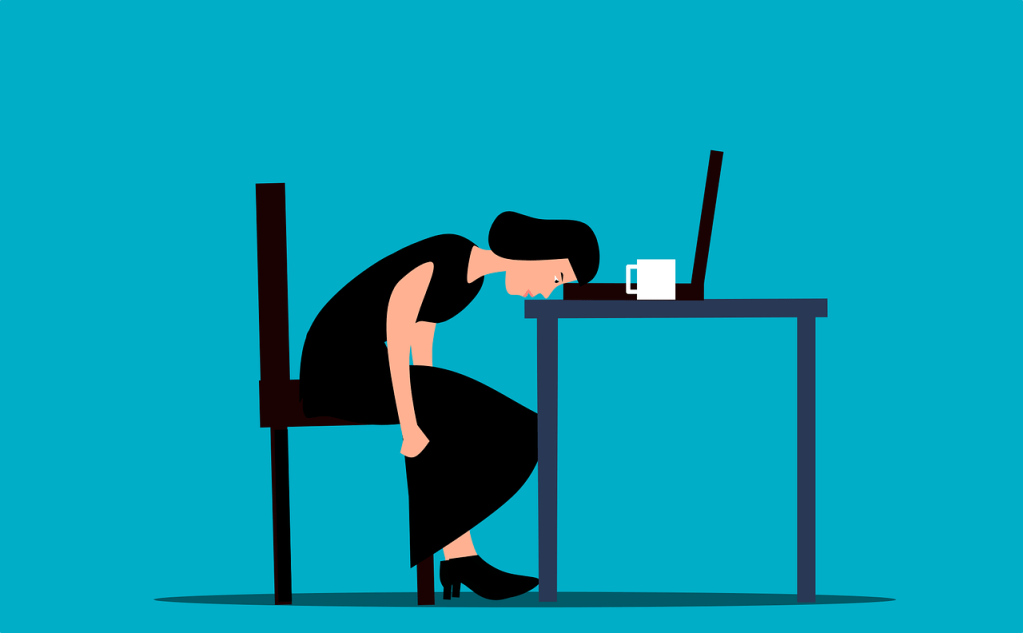
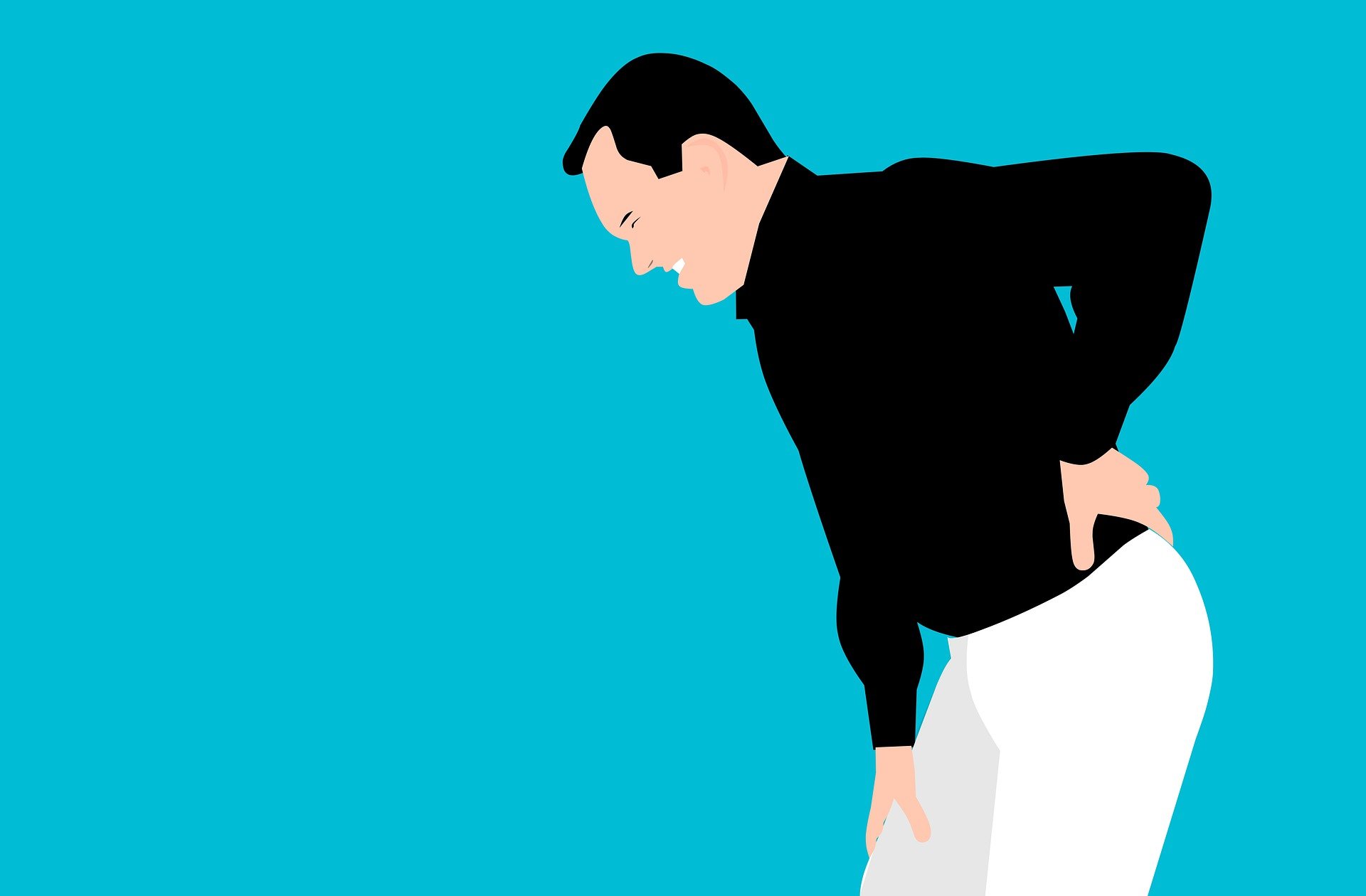
Unlike the fight-or-flight response, which is well understood and consistent across individuals, chronic stress has a wide range of physiological responses and manifests very differently person to person. It’s often more serious than chewed off fingernails. My husband experiences pain in his jaw. My mom gets scatterbrained. My sister gets crippling pain in her abdomen. I used to clench my jaw so tight in my sleep that I struggled to open my mouth wide enough to glide my toothbrush in. Stress affects menstrual cycles and fertility. A lot of people have trouble sleeping, and it’s not uncommon to experience moodiness that puts a strain on your relationships. We know that stress also increases inflammation and aggravates existing medical conditions like high blood pressure, ulcers, irritable bowel, heart disease, arthritis, or even an old injury.

During college and and my early years of teaching, I picked up a cold virus every holiday: Christmas break, spring break, and the first week of summer vacation. Unlike flight-or-flight (which can actually boost your immune response), chronic stress suppresses your immune system, making you vulnerable to all kinds of infections.
Stress also impacts appetite and food choices. Some people struggle to eat enough calories when they’re stressed. I’m not one of them. When I’m feeling anxious, my leafy greens will wilt in the crisper while I buy stale cinnamon rolls at Target.
Everyone experiences stress. The best thing you can do for yourself is build habits that mitigate the negative effects of stress so that you can feel good, think clearly, and enjoy more of your life, regardless of what’s happening around you.
Create habits that mitigate stress.
I never took stress management seriously before I had to go on medication for tension headaches. I figured that you were either under a lot of stress or you weren’t, and there wasn’t much you could do about it. But there’s so much you can do.
Exercise!
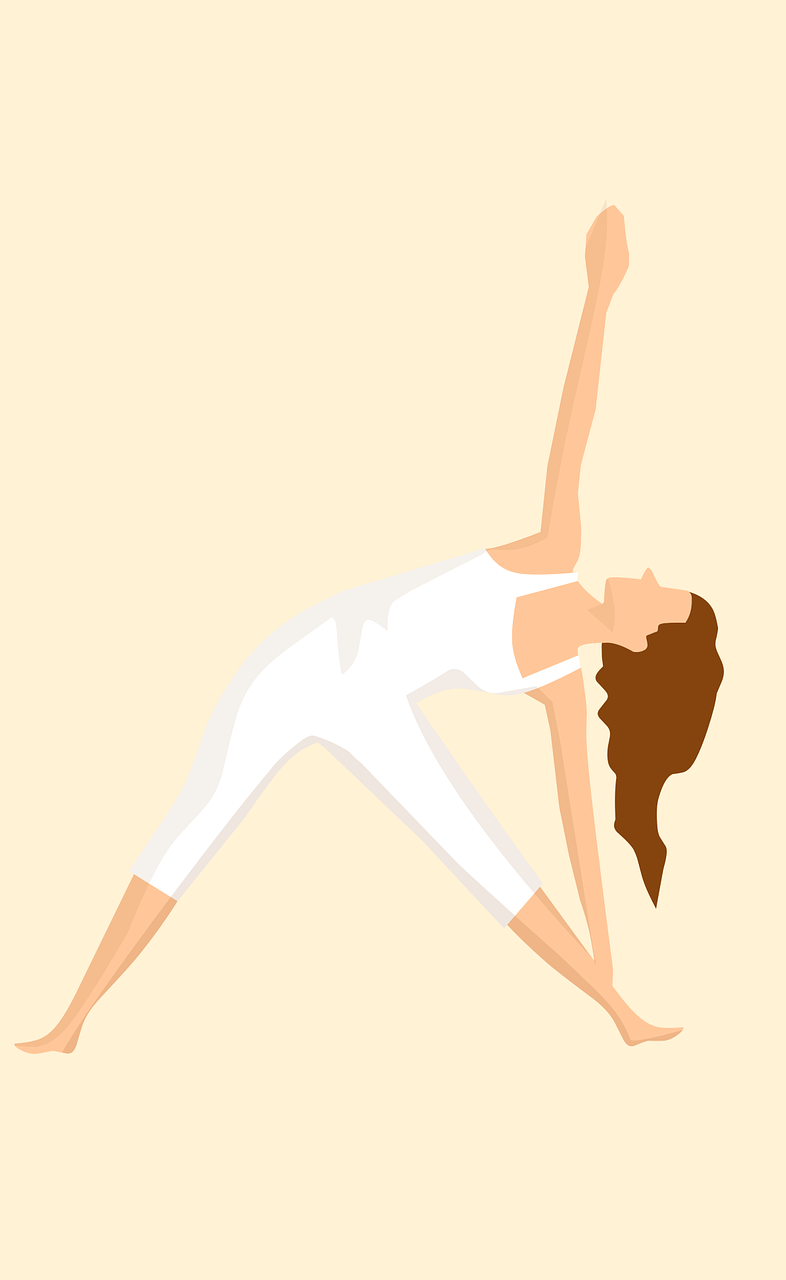
Don’t underestimate the power of this. Martha Work Ashelman says, “Putting your body in motion is a signal to your brain and nervous system that you are handling the situation.” A brisk walk can help clear your head, improve your mood, increase blood flow to your tissues, and help you sleep at night. If you establish a simple exercise habit, it will be there to support you when the going gets tough. You don’t need fancy equipment or a gym membership. Just walk the dog or go for a swim. Take a few minutes to stretch and breathe. Just move your body and get your blood moving.


Get consistent sleep.
Stress can prevent you from getting the sleep you need, and poor quality sleep is linked to increased stress hormone levels. The good news is that many of the factors that influence the amount and quality of sleep we get are completely within our control. You’ve heard them all before:
- expose yourself to sunlight in the morning,
- avoid caffeine in the afternoon,
- exercise,
- install a blue light filter on your electronic devices,
- shut down your electronics a couple hours before bed,
- don’t eat after dinner,
- avoid alcohol,
- keep your bedroom cool and dark,
- and go to bed and get up around the same time every day.
All of these behaviors are very healthy, but they are not necessarily easy to implement since they may require replacing several daily habits. I suggest checking off a couple simple things first, like installing a blue light filter on your devices and making your room dark or buying a sleep mask. I recently activated the “bedtime” feature on my phone, which turns my screen grayscale at 10:00pm. In case you’ve never experienced it, Instagram is NOT fun to look at in grayscale, so this feature takes the pleasure out of scrolling through photos and videos at night. That’s one less thing to keep me up needlessly late.
Then pick one habit to work on that will improve your sleep, maybe it’s a brief walk outside in the morning or finding a good substitute for your afternoon coffee.
Lastly, it’s okay to not feel dog-tired when you go to bed. Just lay down and close your eyes. You may want to try listening to “sleep stories” or try progressive muscle relaxation.
Clean up.
Cleaning up your home (or your bedroom) can make you feel like you have some control over your life. I can tolerate a pretty big mess and a reasonable amount of dirt, but eventually it starts to affect my mood. I feel agitated. It stifles the Chi (or energy) in the house. Sometimes the space around you is just a reflection of what’s going on inside you, and by forcing yourself to clear the space around you, you will start to feel better inside as well. So put on some music and start picking up. Take the trash out, sweep the floor, make your bed. Open the windows. Change the air. Then breathe it in.
Get outside.
Consider sunshine an essential vitamin. It triggers the production of melatonin, which helps regulate your circadian rhythms; it’s essential for the production of vitamin D (which you absolutely need), and it improves mood. Let fresh air fill your lungs, and if possible, put your bare feet on the ground. There’s a theory called earthing or grounding, which is based on the idea that direct contact with the earth allows your body to draw from the abundance of free electrons on the surface of the earth. Think about how you feel after walking on wet sand in your bare feet, swimming in the ocean, or laying on the grass. Grounding is believed to reduce inflammation and aid in healing. There’s not a lot of study on this theory, but it makes sense to me, and there’s no harm in trying it.
Be present.
Speaking of grounding, you can use grounding techniques to manage anxious thoughts. There are endless strategies to choose from, like feeling your toes wiggle in your shoes or noticing the sights, smells, and sounds around you. The point of the exercise is to bring your awareness to the present moment, not dwelling on the past, not worrying about the future. It’s similar to meditation, but easier and less spiritual. Just focus your mental energy on a physical sensation, like the way your cat’s fur feels on your fingers or the way that air fills your abdomen when you breathe.
If you do have a spiritual practice, embrace it. Pray, worship, journal, meditate. These are all healthy practices for handling stress.
Make progress on those procrastinated projects.
I tend to let little things hang over my head and take up my mental space, usually paperwork that needs to be completed, appointments that need to be made, vehicle maintenance, or non-urgent errands. Checking these things off can give you a sense of accomplishment and free up the mental space you need to solve more complex problems.
Laugh.
Laughter is good medicine. Apparently cat videos reduce negative emotions, so go for it. Spend time with people who make you laugh. I seldom laugh at a comedy by myself, but if I’m sitting with someone who is busting a gut, I can’t help but laugh! I will laugh till I cry, and it is so good for the soul.

Step off the hamster wheel.
So far, all of these techniques have been for reducing the impact of stress on your health, but you might be able to reduce the amount of stress in your life. Periodically take inventory of how you want to spend your time and resources. Do you have time for the people you want to see? Do you have time to taste or enjoy your food? Do you have time to do activities you enjoy? Do you need to cut your expenses because money is too tight? Maybe you need to request a transfer or change in hours at work. Maybe you need to unfollow the people on facebook that share inflammatory posts. You get to choose what you spend your mental and physical energy on, so choose wisely.
Lastly, if you’re really struggling with your emotions or a difficult situation, consider seeing a doctor or a therapist. A doctor can discuss the advantages and disadvantages of medication, and a therapist can help you brainstorm more specific solutions and coping strategies.
Don’t make stress-management stressful.
Managing your stress better requires learning and lifestyle change. Work on new habits as you feel ready. Implementing one new healthy habit, however imperfectly, can make a huge difference in your overall health and the way you feel. Sometimes I still drink that afternoon coffee or I start snacking at night or I watch Netflix in bed, but I can feel a big difference in my energy and mood on the days that I don’t do those things. I’m slowly shaping my routines. You can too.
For a summary of the suggestions listed in this post, see the table below.
| Improve Your Sleep | Improve Your Mood | |
| Exercise! | Exercise! | |
| Get morning sunlight. | Go outside. | |
| Avoid caffeine after lunch. | Put your bare feet on the ground. | |
| Install a blue light filter on your devices. | Clean up the house and change the air. | |
| Activate the bedtime feature on your phone. | Make your bed. | |
| Shut down electronic devices a couple hours before bed. | Practice grounding techniques, deep breathing, meditation, or yoga. | |
| Avoid alcohol in the evening. | Laugh more. | |
| Don’t eat before going to bed. | Limit your time on social media. | |
| Keep your bedroom cool at night. | Unfollow some people. | |
| Keep your bedroom dark. Turn off night lights. Turn off screens. Purchase black out curtains or wear a sleep mask. | Check off some of the things you’ve been procrastinating (appointments, a stack of paperwork, vehicle maintenance). | |
| Try listening to sleep stories to help you relax. | Keep a journal, pray, or worship. | |
| Try progressive muscle relaxation. | Prioritize the things that are important to you. | |
| Go to bed and get up around the same time every day. |
Feature Image by Couleur from Pixabay
All other images by mohamed Hassan from Pixabay.

 She Shapes
Thank you so much for this thoughtful article – very helpful ideas! I cleaned my messy desk and it feels awesome to look at. And after being indoors for two days, I went for a walk and actually made a new friend. Great tips!
LikeLiked by 1 person
Thank you for the valuable insights.
I have been struggling with all stress of uncertainty after my completing my undergraduate. It was like the world falling apart not knowing what to do The voices that tries to keep control of everything as irrational it is. And it got worse these year when I lost a close friend of mine. I never before as a student bothered that much about my health or even any kind of stress situation but now after all this time I could see how it is affecting my physical condition and over the last 2 months my eyesight also got disoriented as I am already a high myopic person. Went for diagnosis yesterday and my doctor clearly stated that with all the all time closeup screen time along with stress has impacted my eyesight badly. We have no choice how the external world is going to be , the only thing to do is making the choices of what we can do for us within our control. That’s the only way.
LikeLiked by 1 person
I am sorry you lost a close friend.
It must be very scary to realize that stress and grief are affecting your vision. You’re taking steps in the right direction though, just by heeding the warning signs, consulting a doctor, and considering what you can change in order to take better care of your health. Thank you for sharing, Sankha. I think it’s so helpful to talk about these things.
Danielle
LikeLiked by 1 person